Driving Tomorrow by Santander: Jenson Button on sim racers, F1 ACADEMY, and the Formula 1 drivers of the future
In the latest edition of Santander’s Driving Tomorrow series Jenson Button offers advice for prospective talents and discusses how F1 drivers of the future might get their start in racing.

Jenson Button raced in over 300 Grands Prix across a distinguished career in Formula 1, triumphing on 15 occasions and famously winning the World Drivers’ Championship in 2009. He remains involved in Formula 1 through his role as a broadcaster and as an ambassador for Williams Racing, and in the latest edition of Santander’s Driving Tomorrow series he offers advice for prospective talents and discusses how F1 drivers of the future might get their start in racing.
Jenson Button started out in Formula 1 at the age of just 20, beginning a lengthy journey in the championship that saw him drive for Williams, Renault, Honda and McLaren, while it was with the phoenix from the ashes team of Brawn GP that he claimed world title honours in 2009.
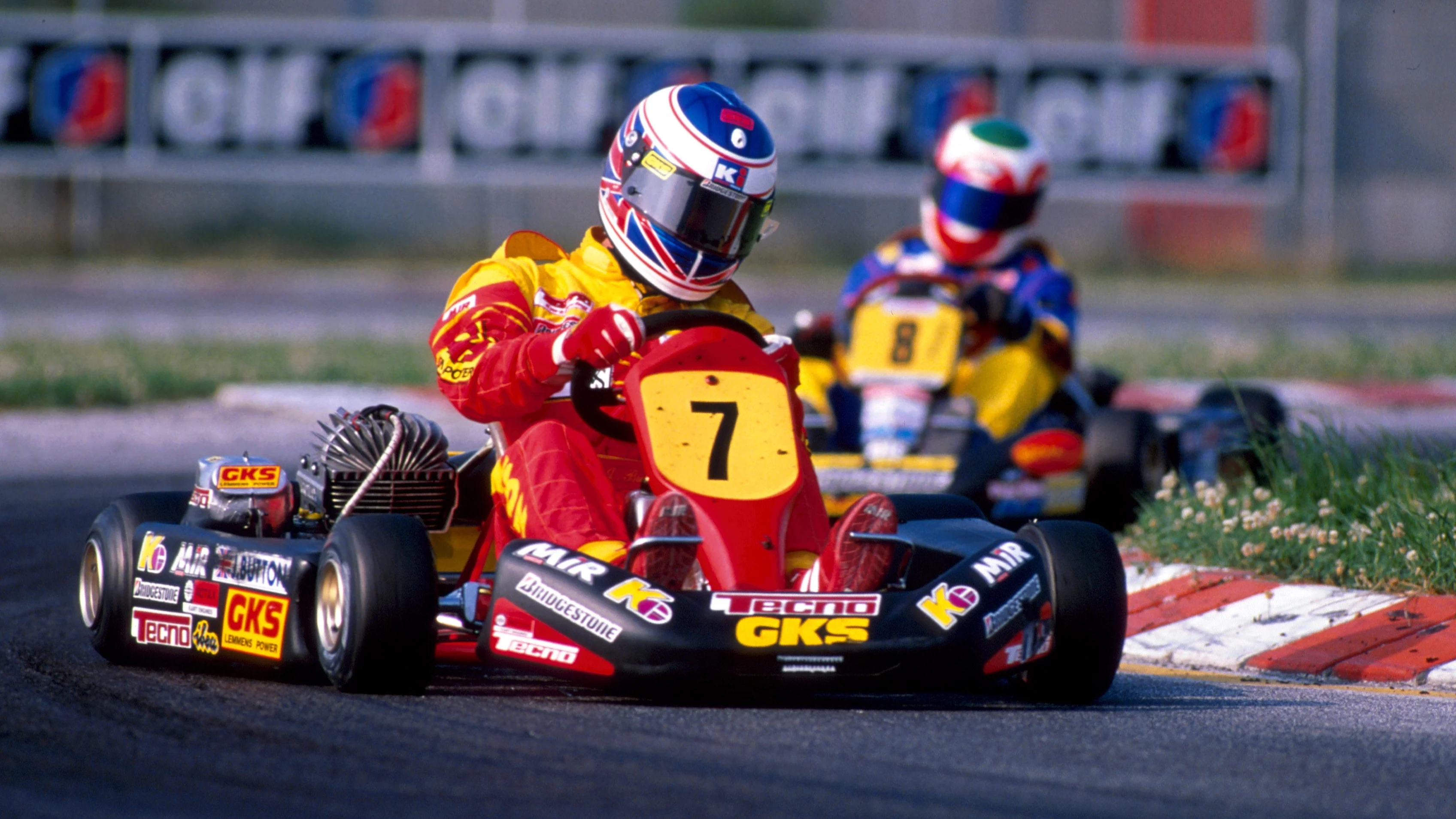
But his path towards Formula 1 really got underway at the age of eight, when he started out competing in go-karting, treading the route taken by the majority of drivers who work their way towards the championship.
Nowadays, there is a tendency for drivers to start out at an even younger age, with some as young as four or five getting behind the wheel of a go-kart.
“The age you start, I don't think it's really that important as long as you are in karting as a kid,” Button says. “The more important thing is to have the right people around you that are supporting you, whether it's good or bad. And you've got to be having fun. None of this is worth it unless you're having fun!
“I had a wobble when I was 13 and wasn’t sure if I wanted to race any more. You can't look at karting and go, ‘if I'm good at karting, I'm going to be a world champion in F1.’ Such a small percentage of people get the opportunity to race in Formula 1.
“You've got to go into karting, whatever age it is, and enjoy it and have fun. And if it works out, that’s great. For me, it was something to do with my old man on the weekends and I loved that. And that relaxed atmosphere really got the best out of me.”
The karting scene is nonetheless a common foundation for aspiring racing drivers, given the invaluable lessons, the closely-fought nature of the competition, and the window it provides into motorsport.
“Karting is massive,” Button says. “It's where you learn racecraft, it's where you learn to go wheel-to-wheel with other people. When I look back at my karting career, it's some of the best memories of my racing career because everything's so close – half a tenth of a second separates 10 people in qualifying – so you’ve got to get everything out of it.
“You are going up against a lot of very talented people. I did a lot of my racing in Italy, across Europe, and [for] the world championship, and you have to kind of go to places like that when you start taking it seriously. But first of all, it's all about just getting to grips with a little machine, and making it feel like it's an extension of your body.”
Since Button’s era technology has already advanced to a stage whereby simulators are now widely used, sometimes just for gaming purposes, other times by drivers – such as Max Verstappen – to hone their skills, try new techniques, or even simply wile away the hours.
Some drivers in other motorsport disciplines started out by gaming before they made the real-life crossover, so could such a scenario unfold in Formula 1 in the future?
“I think gaming is an interesting one,” Button says. “The reason being they're a lot cheaper than karting. When I raced, karting was reasonable and now it's very expensive, even just racing on a weekend; I've done a couple of kart races over the last few years and it’s expensive.
“[Simulators] are a lot more cost effective and you can really hone your skills. You can't drive a go kart 24/7, whereas a simulator, you can if you really wanted to! You can do a lot of the engineering side of things as well with the detail of the simulations.
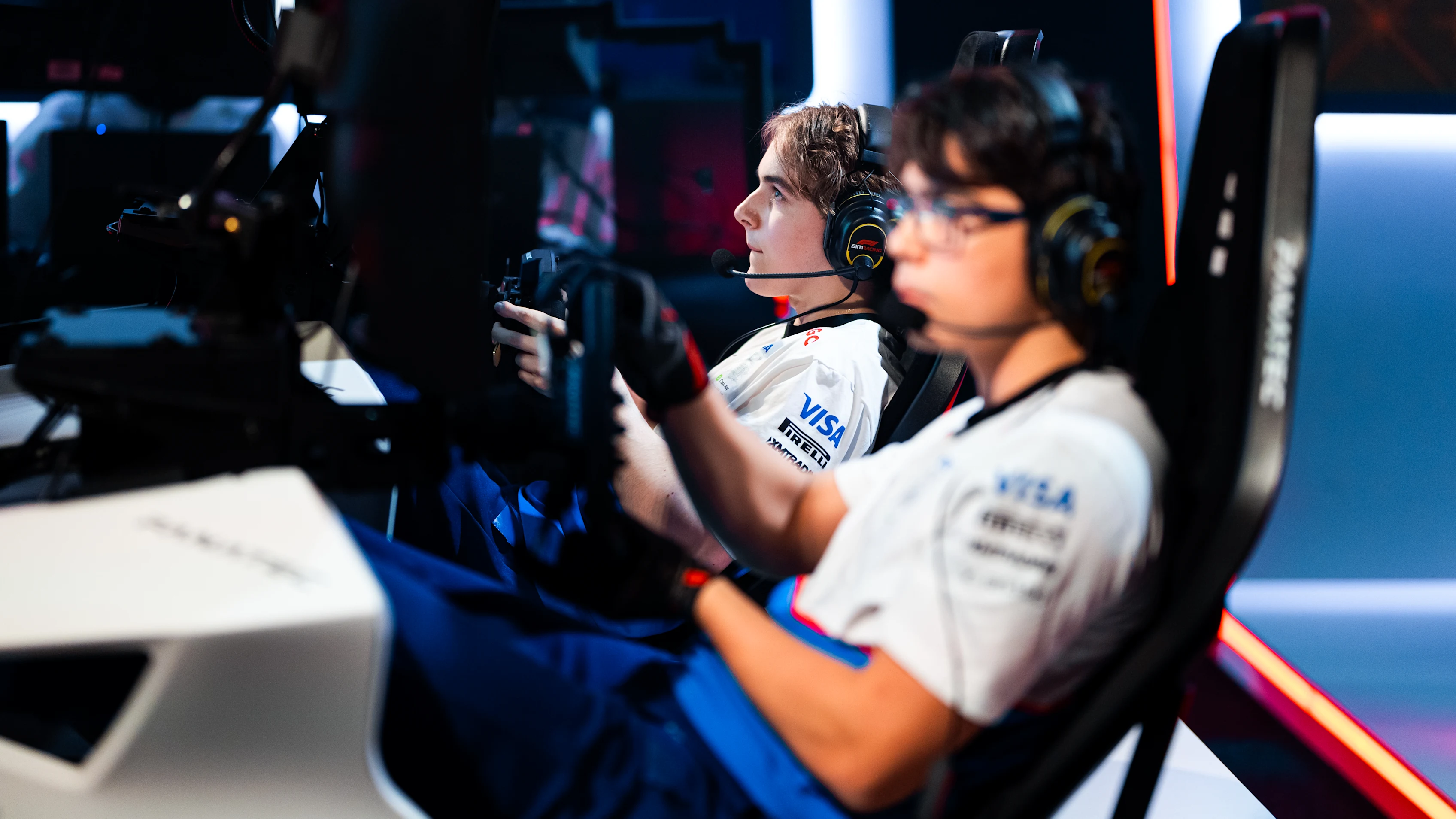
“I do think that you need real world driving as well, because I think you need to understand safety, the limitations of a car yourself, and that you can't just push the reset button. I think we'll see a bit of both, it might be the jump start from gaming could be very good, but then I think you need to be jumping into karts or single-seaters at a relatively early age.”
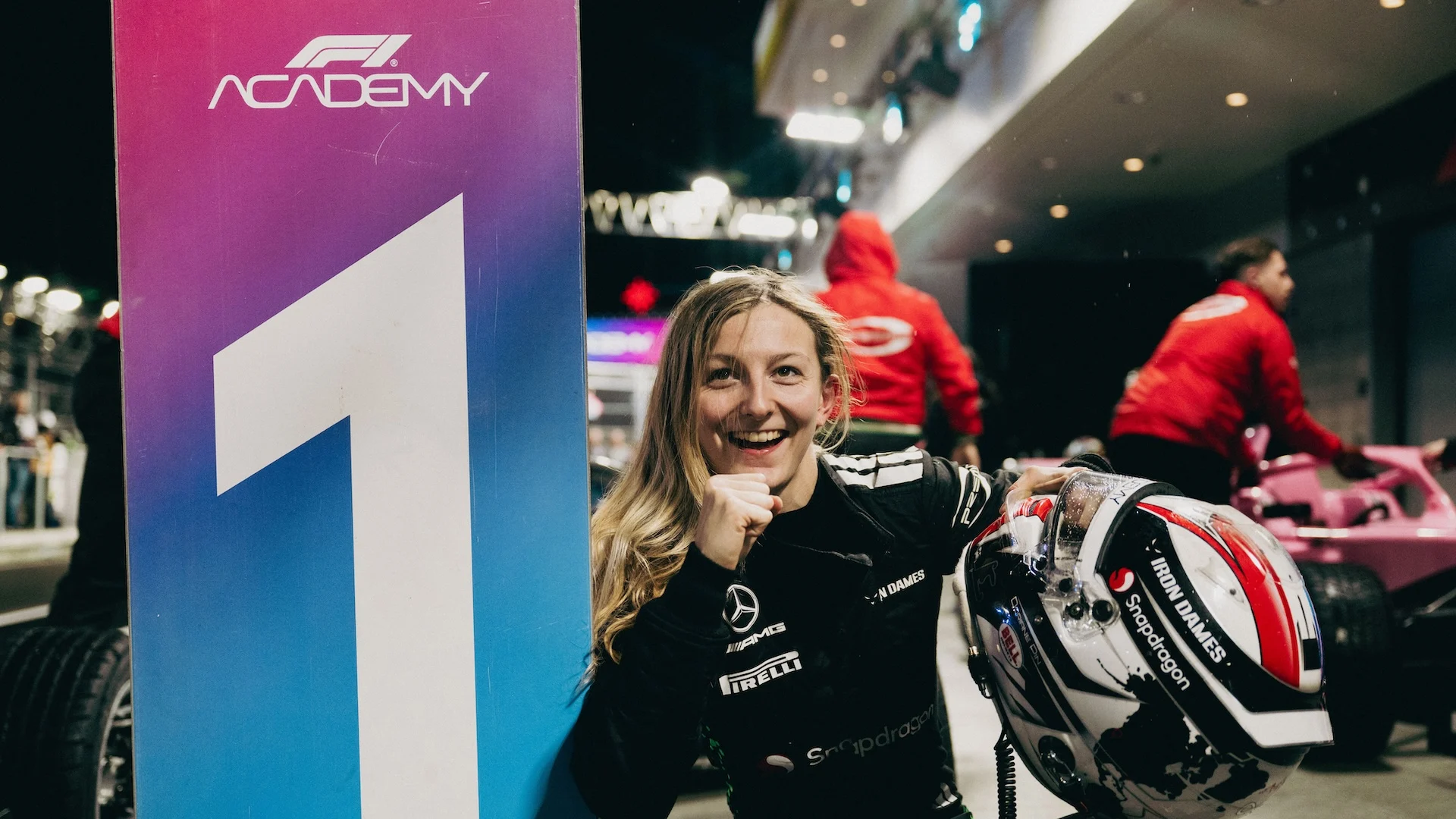
Female interest in Formula 1 has grown exponentially in recent years, with more fans, and more women working across a plethora of roles in the championship. Button is hopeful that a range of initiatives, including F1 ACADEMY, will eventually propel a woman into a race seat after a prolonged absence, but also believes mindsets still need altering.
“I think that the great thing about F1 ACADEMY is that it gives young girls something to aspire to,” Button says. “We just don't have enough girls in grassroots racing at the moment. It's obviously growing, but it's still a very small percentage of kids that go karting. That's the bigger thing. It's teaching parents that girls can race cars as well, and I think that's probably the biggest part of it.
“Because when you think how many boys there are that are racing karts, when you're trying to find the talent, it's a lot easier, whereas there's a lot less to choose from with girls racing. So we will see a woman in Formula 1 in the future, but it's going to take a bit of time.”
While getting into Formula 1 remains a challenge, so too is choosing the right time to walk away. For those that can leave on their own terms some do so in their 30s, while others press on way into their 40s.
Button stepped away full-time from Formula 1 at the end of 2016, at the age of 36, and believes it is essential for retiring Formula 1 racers to have a breadth of interests outside of the championship.
“I was 100 per cent ready and it was the right decision,” Button says. “For others, maybe being around the paddock is more important. I wanted to start a family. I wanted to try other things in my racing. I didn't want to just be an F1 driver. I wanted to be a Super GT driver, a NASCAR driver and try Le Mans. And that was fun to me. That was exciting.”
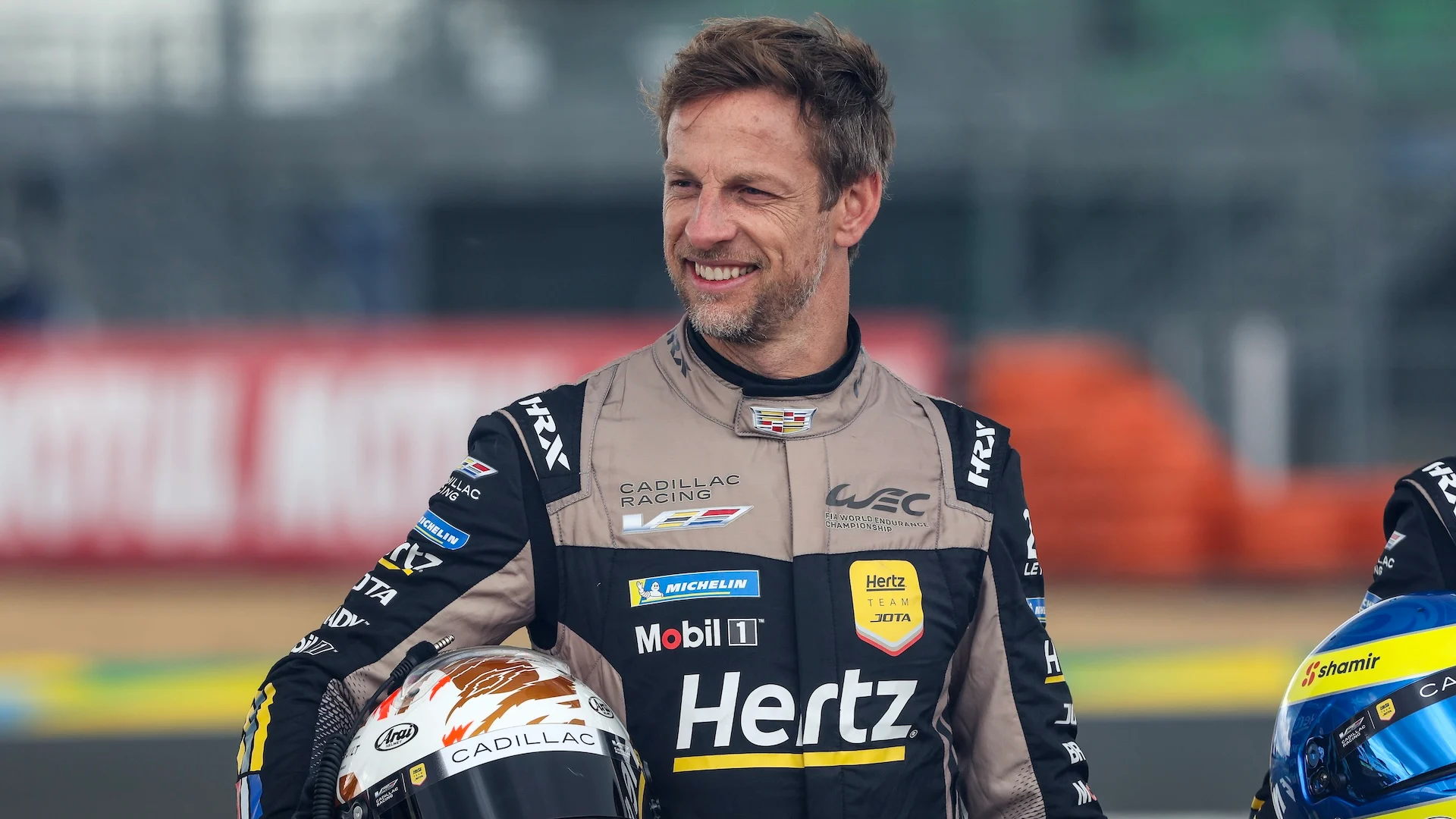
Button would nonetheless urge drivers through their competitive years to ensure that they are surrounded by a tight-knit group of people upon whom they can completely rely, aiding the transition into a non-F1 life.
“As an F1 driver, you have to be so focused on driving,” Button says. “I had a manager, a PR man, I had a physio, a personal assistant, I had someone to do everything for me, so that I could just focus on what I needed to, which was training, eating the right things, spending enough time with the team, engineering, driving the race car.
“You need a good group of people around you to be looking after what happens after F1. Post-F1 it's not what you do business wise, it's what you do in terms of something you're passionate about.
“That's what you need. Because when you walk away from a high pressure, high stakes, adrenaline junkie sport like this, a lot of people struggle with that mentally. So it's finding something that you're passionate about that you can jump into after racing.”
Next Up
Related Articles
.webp) DRIVING TOMORROW: Stefano Domenicali on the future of Formula 1
DRIVING TOMORROW: Stefano Domenicali on the future of Formula 1.webp) What happened on Day 4 of the Barcelona Shakedown?
What happened on Day 4 of the Barcelona Shakedown? Norris shares ‘surreal feeling’ of running number 1
.webp) What happened on Day 3 of the Barcelona Shakedown?
What happened on Day 3 of the Barcelona Shakedown? ExplainedAll you need to know about Advanced Sustainable Fuels
 Newey ‘always teaching us something’ – Alonso