Driving Tomorrow by Santander: Stefano Domenicali on the 2026 rules changes, new teams, new tracks, and the future of Formula 1
As part of Santander’s Driving Tomorrow series, Formula 1's President and CEO Stefano Domenicali discusses how the sport evolves while staying true to its DNA, his excitement at the new-for-2026 regulations, and the details behind sculpting a balanced race calendar.
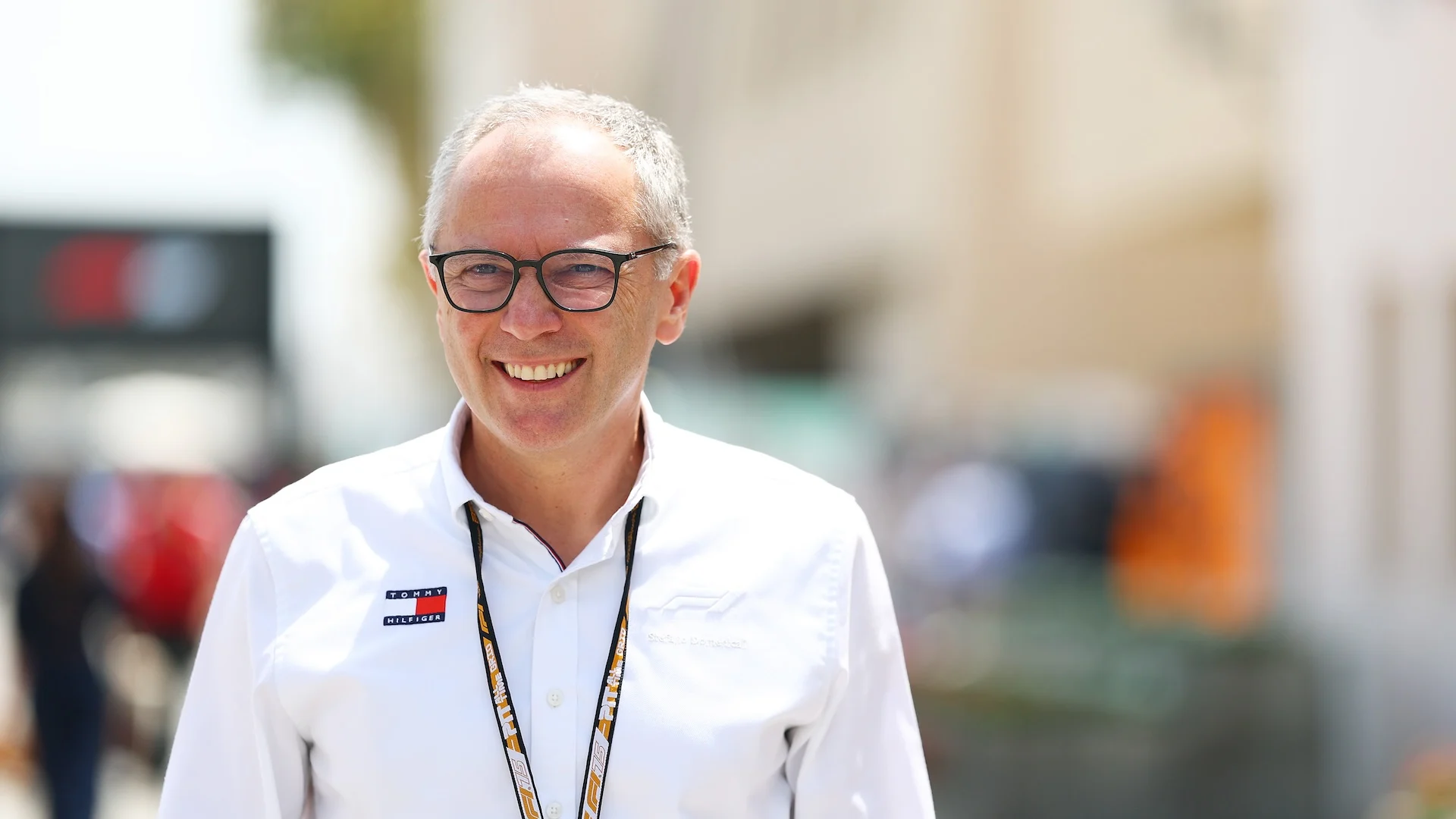
Stefano Domenicali plays a pivotal role in the advancement of Formula 1 through his role as the President and Chief Executive Officer of the championship. As part of Santander’s Driving Tomorrow series, Domenicali discusses how the sport evolves while staying true to its DNA, his excitement at the new-for-2026 regulations, and the details behind sculpting a balanced race calendar.
Stefano Domenicali has a rich history in motorsport, through roles with Ferrari, Lamborghini and Audi, and ahead of the 2021 season was entrusted to guide Formula 1 through the next chapter of its evolution as its President and Chief Executive Officer.
Under Domenicali’s stewardship Formula 1 has registered greater fan engagement than ever before and seen record attendances at Grands Prix, while the wheel-to-wheel competition has been some of the closest and most enthralling in Formula 1’s rich 75-year history.
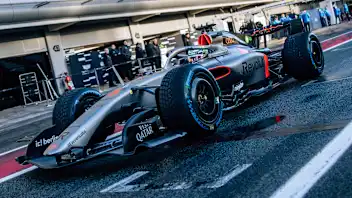
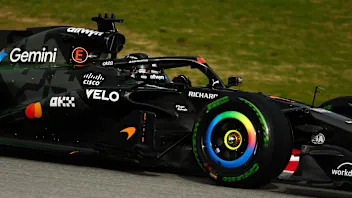
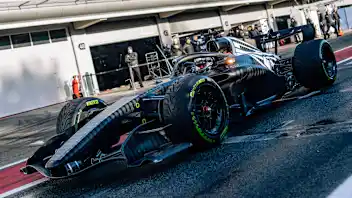
But Formula 1 is never content to stand still. In 2026 new technical regulations will be introduced into the sport, with a drastic revision of both the chassis and engine ruleset. The use of advanced sustainable fuels, greater electrical power, and active aerodynamics are among the changes.
“As always, when we introduce new regulations, it’s a great moment for our world, because it’s exciting, and it brings attention at a level from the technical perspective,” Domenicali says. “That’s the nature of when there is something new.
“There’s hundreds of engineers striving for the best, and this will have a benefit also out of the Formula 1 world.”
“There’s the interest from the drivers, because they need to understand how to drive a new car, and then the teams need to understand how to set up the car in the best way, so it’s a fascinating moment, and it accelerates the interest, as everyone is looking forward to the 2026 regulations.”
That quest to grow the championship extends to the Grand Prix calendar, too.
Formula 1 will welcome Madrid in 2026 as the new home of the Spanish Grand Prix, following on from new events in Saudi Arabia, Qatar, Miami, and Las Vegas since the turn of the decade.
The 2026 calendar will again feature a record 24 Grands Prix, starting in Australia and concluding in Abu Dhabi, and there is a conscious effort to maintain the correct balance for the championship.
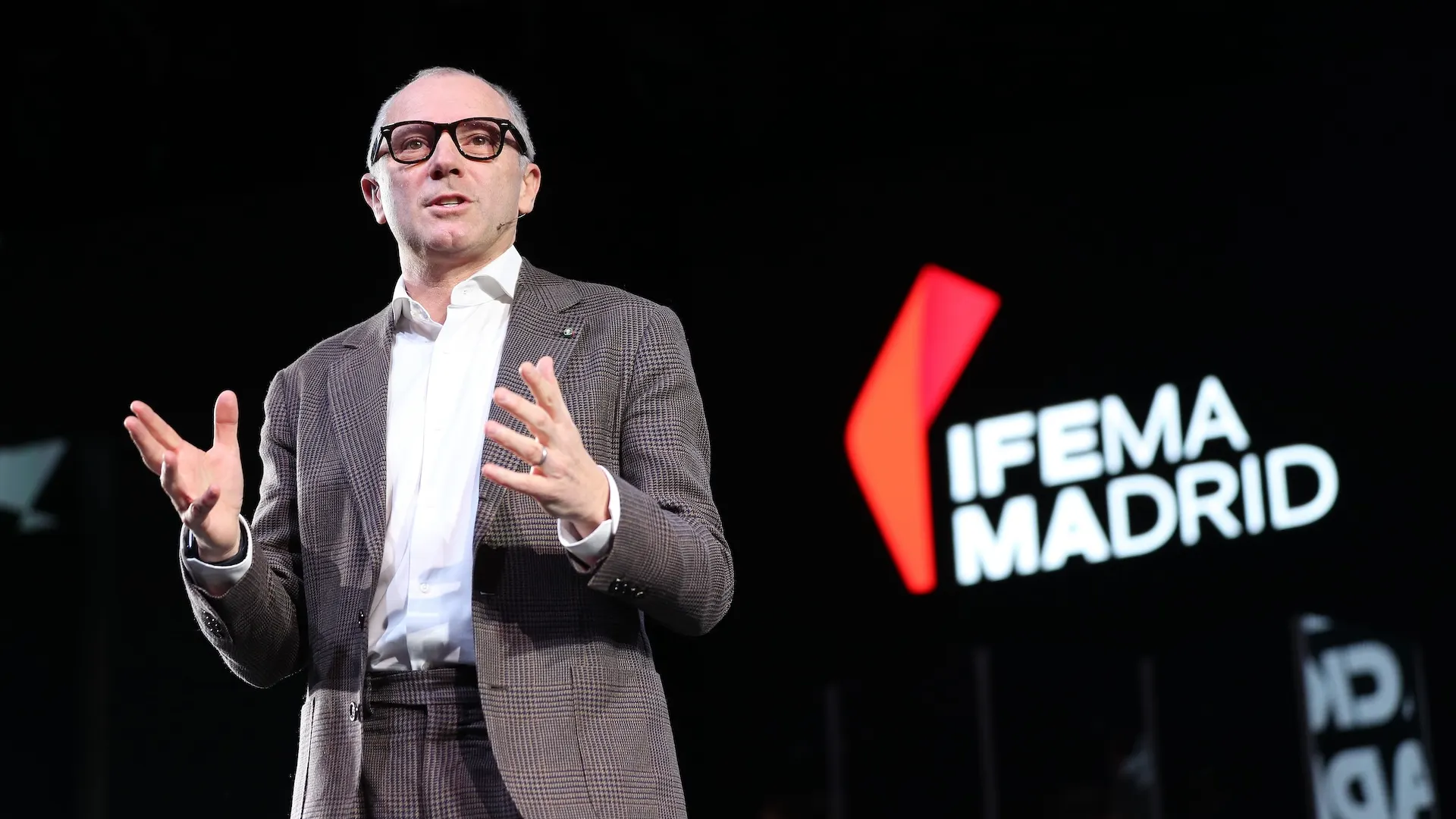
“It's great to share the fact that today, due to the great success we are all living, we have a lot of countries that would love to host the races,” Domenicali says. “But we cannot be too many. I think that the balance that we have today is great.
“When we are considering new events, new places, new countries, there are a lot of things that we have to think about, and have to put on the table.
“For sure, there is the economic benefit, and there is the interest of that country, and our partners, because we need to respect what they would like to see when we are getting in a country.
“We also need to see what is the business model that we can develop there. Because of course, it's relevant not only [the interest in] the first years, but also in the future. The interest should be kept.”
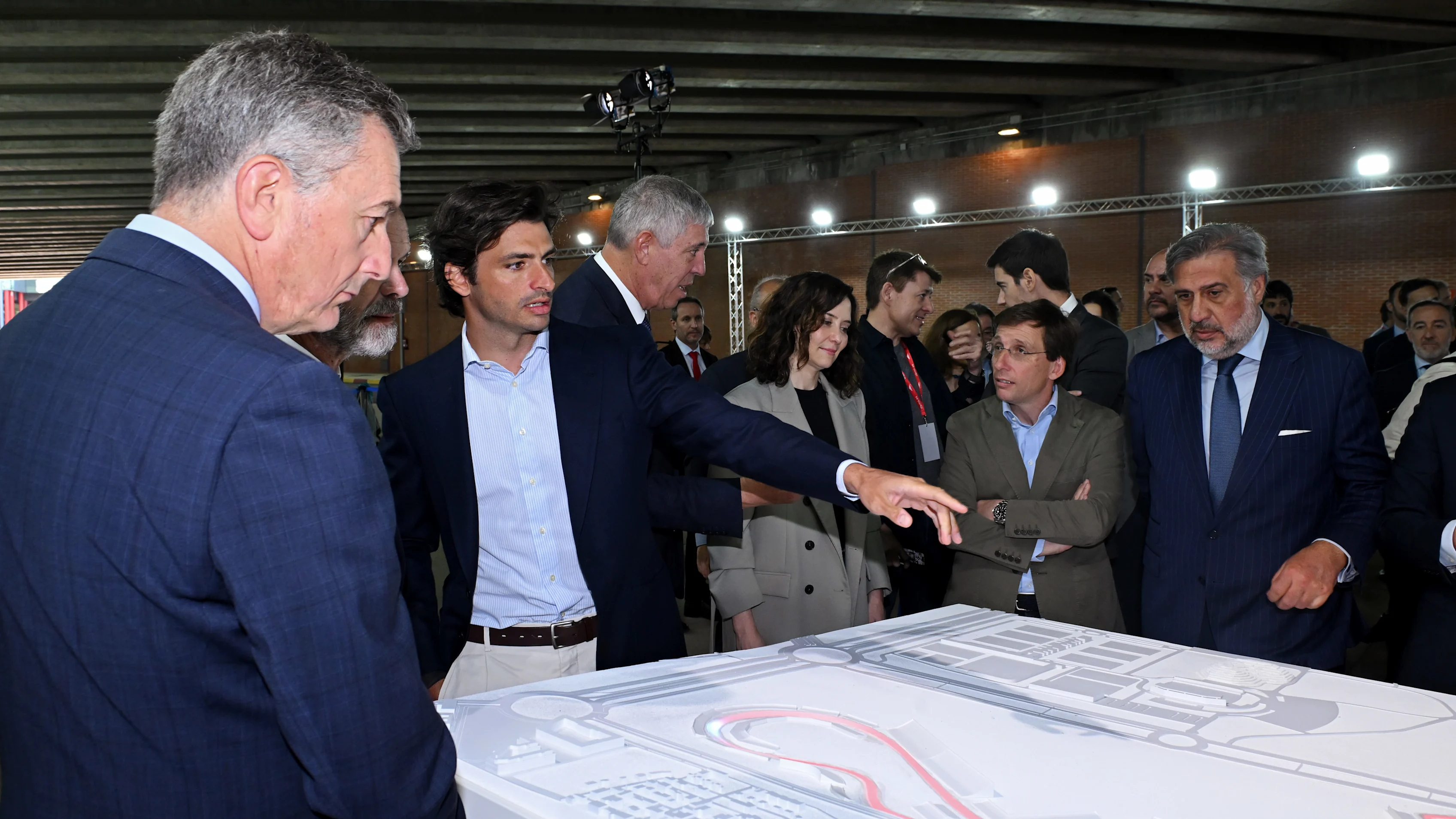
While Domenicali is actively exploring fresh territories there is a concerted effort to ensure that Formula 1’s classic venues are retained and developed.
In 2025, long-term agreements have been secured to preserve the future of iconic Grands Prix in Monaco, Austria, and Canada, following on from other recent arrangements with promoters in Britain, Italy, and Australia.
“At the end of the day for us it’s important to keep the balance between new events, street circuits, places with the heritage, and places that will have a future, therefore it’s fascinating,” Domenicali says.
“To find the right calendar is one of the most difficult things to do, because there are so many elements that each country, each promoter, wants to be respected. So it's a puzzle that at the end of the day is beautiful, but not easy.”
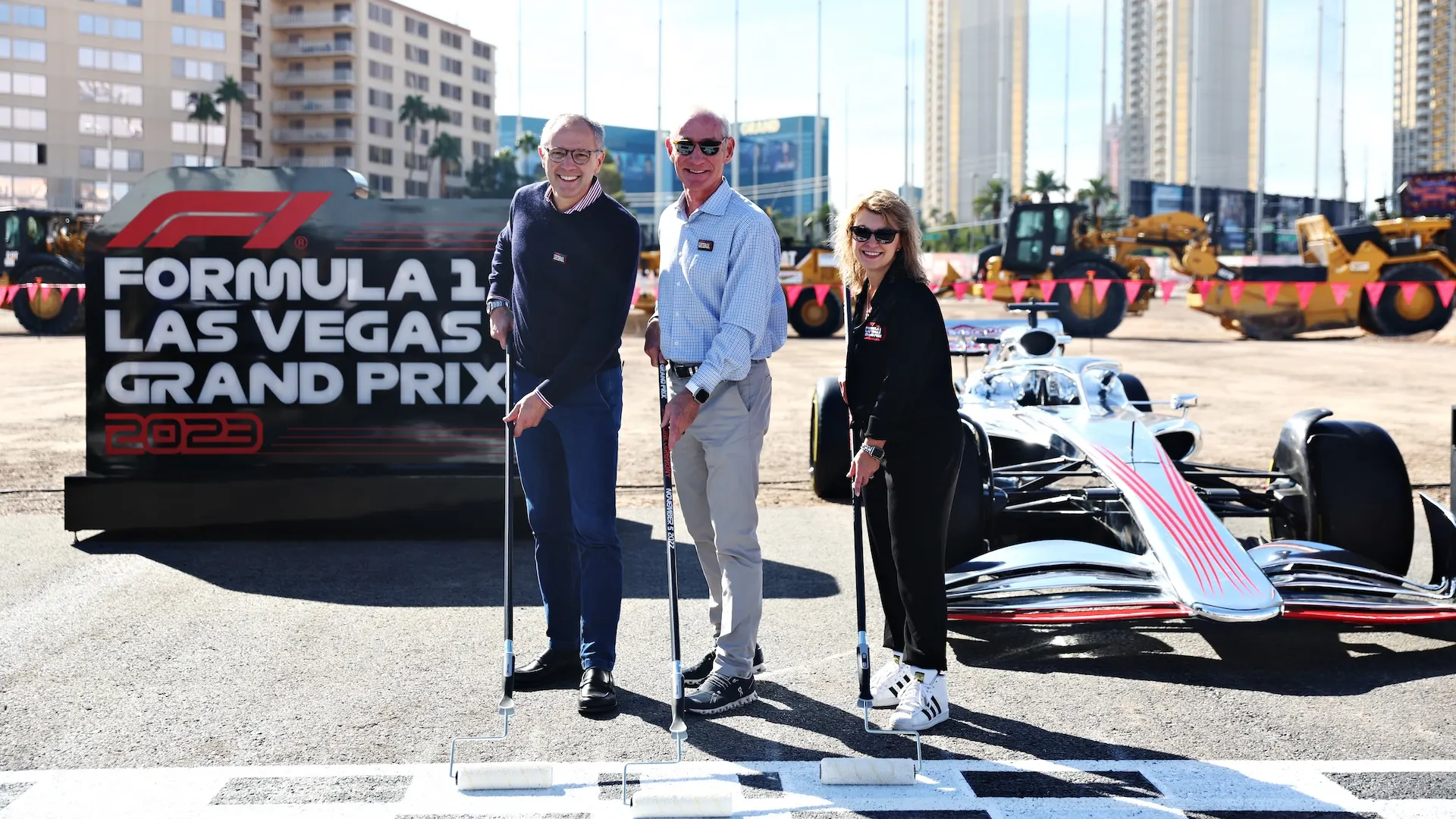
Along with fresh regulations and a new circuit on the calendar in 2026, Formula 1 will welcome an 11th team in the shape of the Cadillac F1 Team.
The new outfit, which will field veteran racers Sergio Perez and Valtteri Bottas, will be Formula 1’s first start-up operation in a decade, and plans to become a works team in 2029 when General Motors readies its power unit.
“Well it’s very exciting,” Domenicali beams. “Cadillac is one of the most important manufacturers in the world. They're going to invest a lot. They're going to bring new energy, and I believe that’s related to the fact that we have taken the right technical decision with regards to the regulations.
“There is a big interest on what we are doing, keeping advanced sustainable fuels at the centre of the future power unit.
“The powertrain has been relevant not only to attract Cadillac, but we have Audi, we have Honda. So it's a great moment for all of us.
“F1 has been always at the forefront of innovation, future connectivity, attraction, attention and therefore that's what we are doing. That's why I do believe today F1 never been so strong.”
Formula 1 has enjoyed record attendances at Grands Prix and engagement on social media, as well as attracting a younger and more diverse fanbase.
Continuing to make Formula 1 increasingly accessible to its fanbase is fundamental, according to Domenicali, while also navigating the opportunities brought by being a fully global championship.
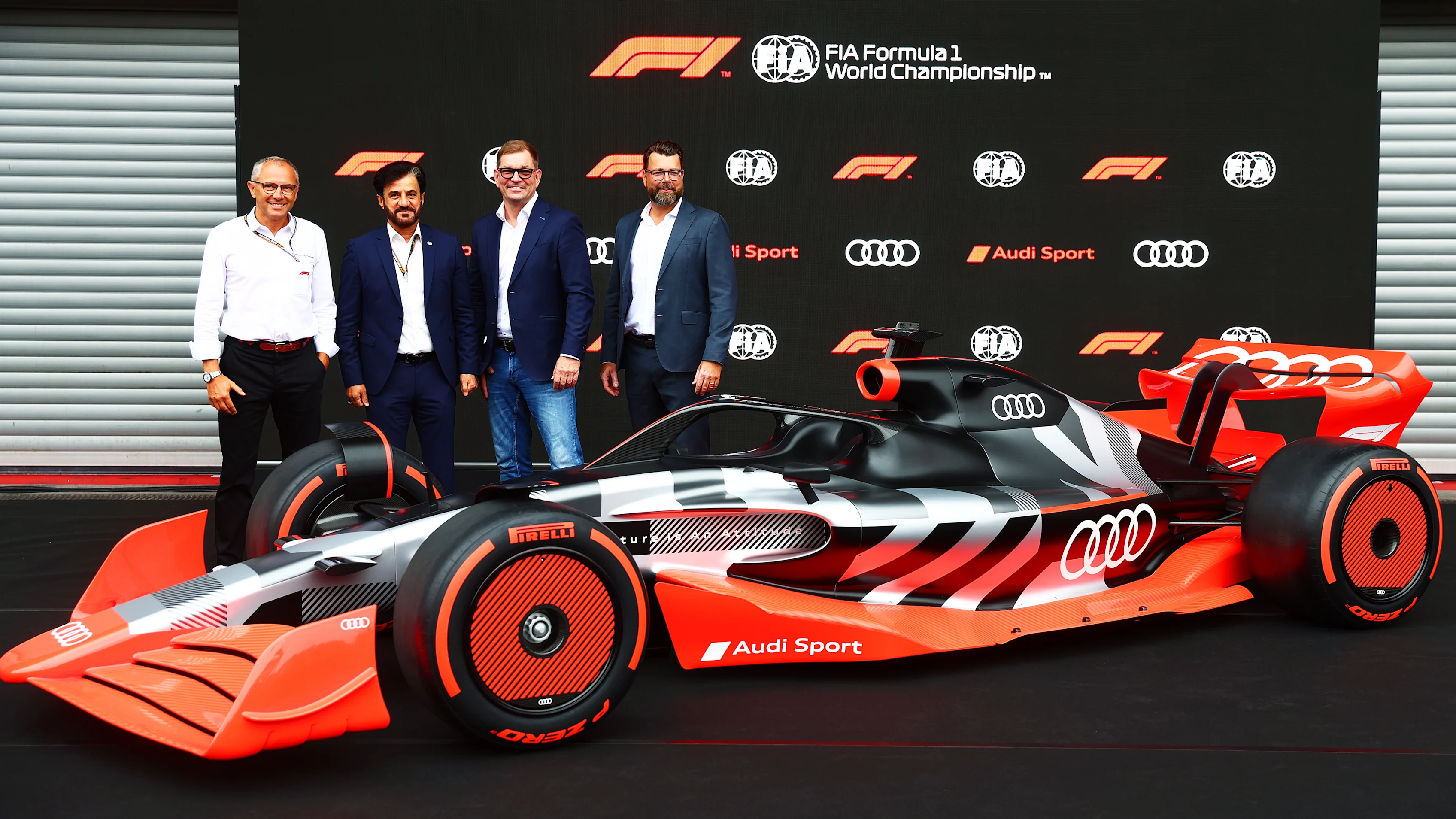
“It’s crucial to keep the fan base at the centre,” Domenicali says. “It’s why we wake up in the morning, trying to say ‘what's next, what do we need to do?’ This has to happen at all levels: choosing the right platform to communicate, choosing the right language to communicate, and also listening.
“That means listening to the partners, listening to the community, listening to how the trends of the world are evolving. And that's really what we are trying to do to keep ahead. Considering we are a worldwide sport, that means that one way of connecting could be different from another one.”
And where does Domenicali see Formula 1 in 10 years’ time?
“Well, I don’t have a magic ball! I definitely see, with the spirit, with this approach, with this intensity, with this enthusiasm, the passion will be always the same.”
Next Up
.webp)
.webp)