The key regulation changes in F1 history – and the teams that nailed them
From new engines to revised aerodynamics and everything in between, there have been plenty of F1 regulation changes over the years…

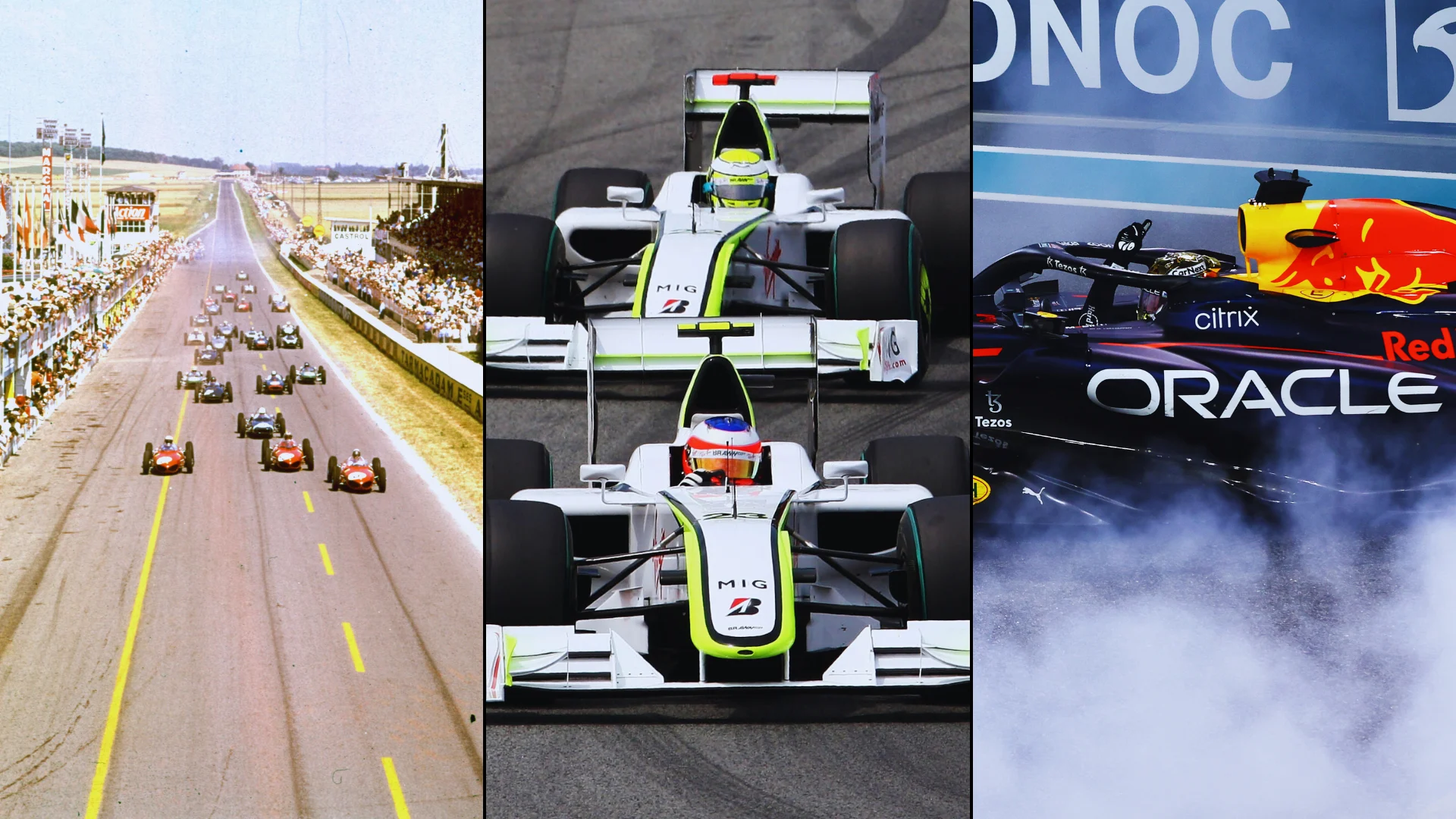
F1 will enter a new era in 2026 as overhauled cars and power units take to the track. But what about the other major regulation changes the sport has witnessed in years gone by – and who benefitted from them? F1.com provides an overview…
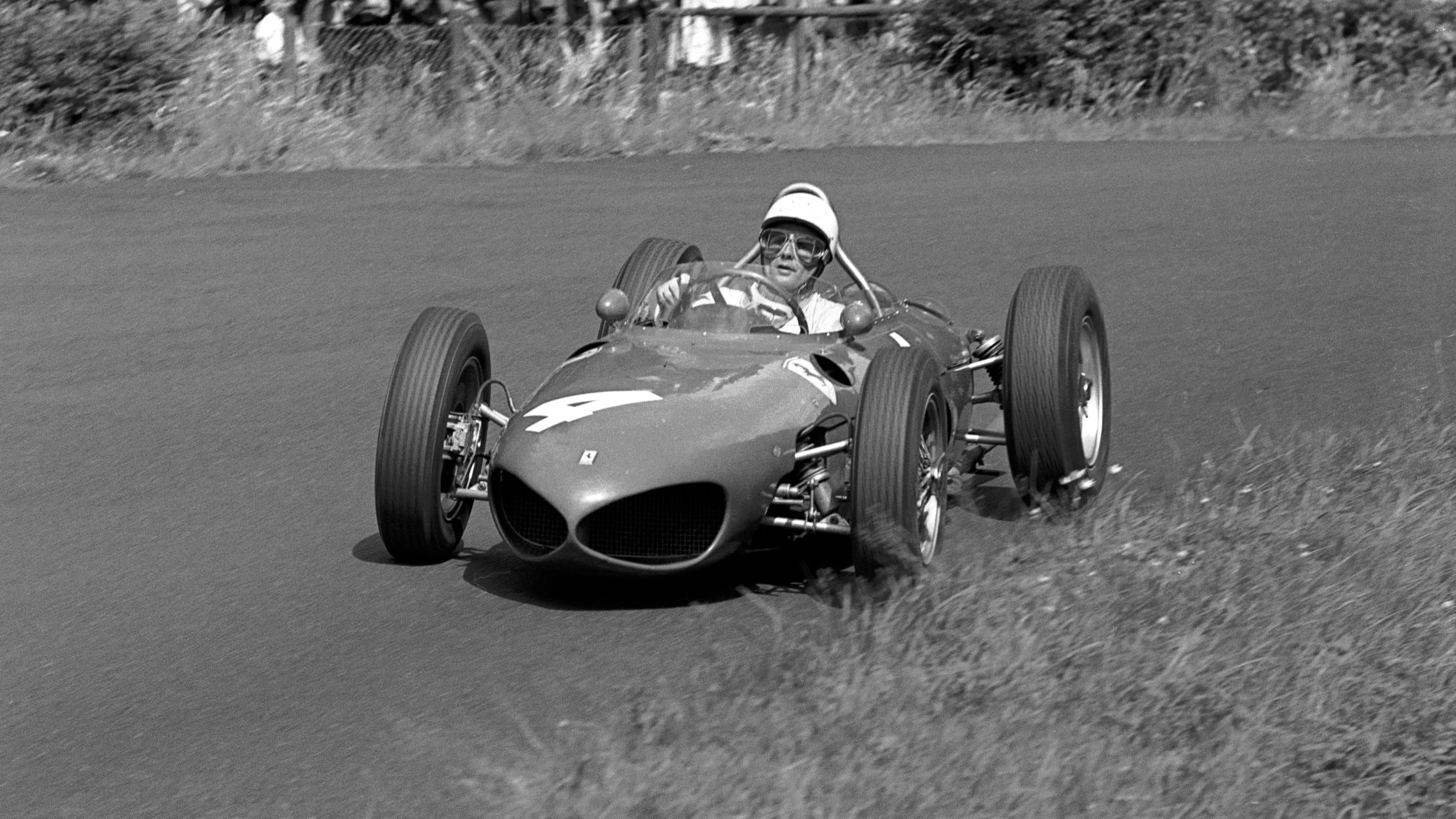
1961 – New engine formula
Although there had already been several rule changes since the inception of the F1 World Championship in 1950, the 1961 season was revolutionary for the sport, with normally aspirated engine capacity cut from a maximum of 2.5 litres to 1.5l, and a minimum car weight of 450kg introduced.
“Ferrari were the best prepared for the new regulations, given the British teams that had dominated previously felt, wrongly, that their influence would lead to the rule changes being dropped,” wrote Edd Straw in a previous F1.com feature, pointing to Cooper’s rear-engined revolution in 1959 and 1960.
Ferrari’s new engine – based on the 1.5-litre V6 Formula 2 unit used in 1960 but with a raft of modifications – and their sleek 256 ‘Sharknose’ chassis dominated the season, winning five out of seven World Championship races, while Phil Hill claimed the title after team mate Wolfgang von Trips died in a crash at Monza.
1983 – Flat-bottomed cars
In 1977, ‘ground effect’ well and truly arrived in F1 with the revolutionary Lotus 78 – Colin Chapman’s creation mastering the fine art of using the underside of the car to generate negative pressure and suck it towards the track.
However, with rival teams applying their own solutions over the coming seasons, and cornering speeds getting faster and faster, ground effect cars were outlawed from the 1983 campaign in favour of flat-bottom floor regulations.
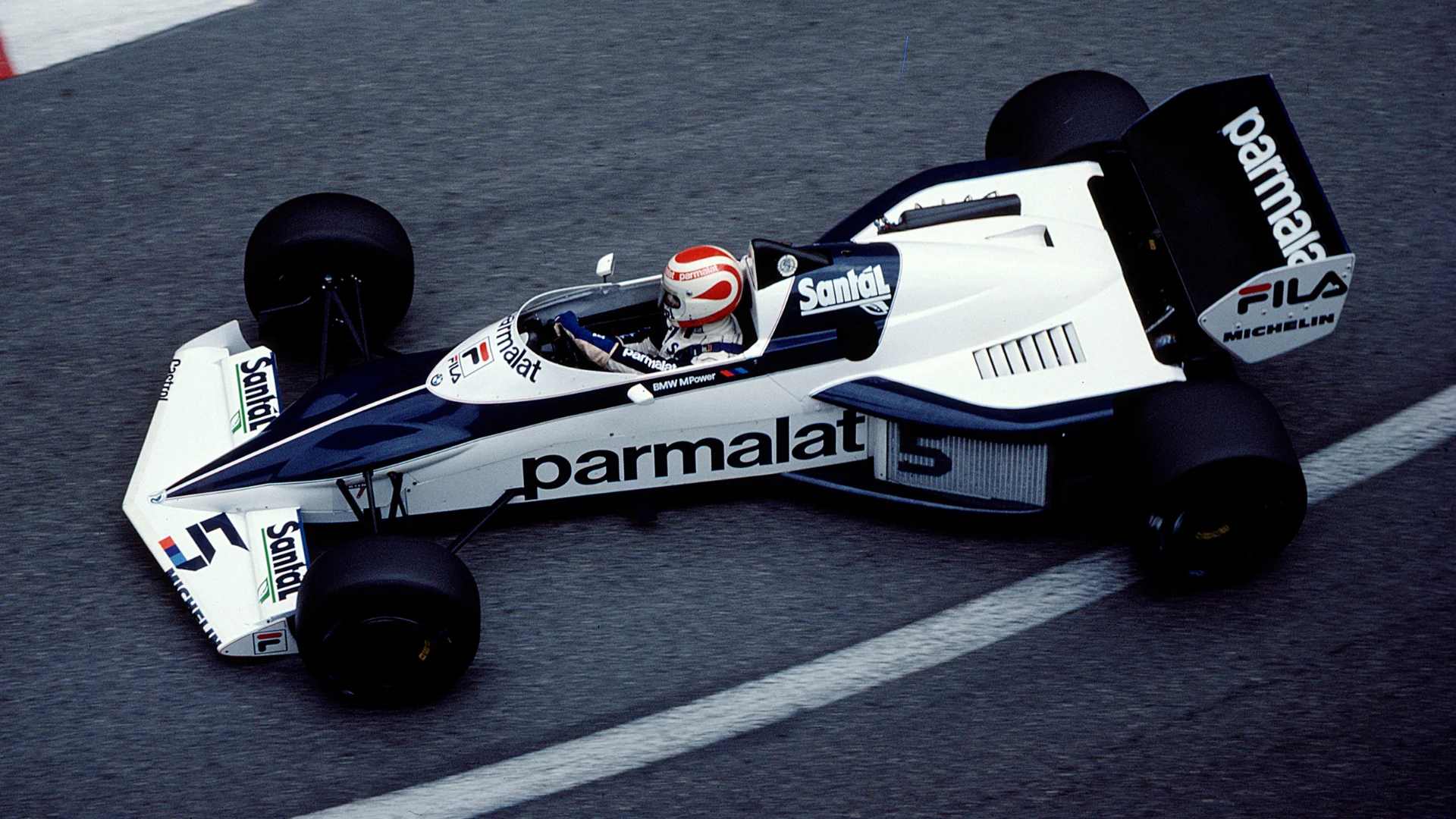
Given that the final call came in November 1982, any ground-effect cars in the works had to be scrapped, with Brabham’s BT52 – powered by a turbocharged BMW engine – being designed, manufactured and prepared in just six weeks.
The car won on its debut at the Brazilian Grand Prix in the hands of home hero Nelson Piquet, who ultimately pipped Alain Prost to the Drivers’ Championship by two points with the help of a ‘B-spec’ mid-season upgrade and some specially formulated fuel.
While Piquet and Prost led the charge for Brabham and Renault respectively, Ferrari also navigated the rule changes well to retain the Teams’ Championship title – French duo Rene Arnoux and Patrick Tambay consistently scoring podiums and points.
1989 – Ban on turbo engines
Renault began an F1 trend when they introduced the sport’s first turbocharged car in 1977. While the RS01 was extremely unreliable, it eventually showed enough promise to prompt many of their rivals to adopt the technology.
Turbo cars were part of F1 for more than a decade, but growing safety concerns over just how much power they produced, as well as the costs involved, led F1’s governing body, the FIA, to introduce limitations before banning them altogether.
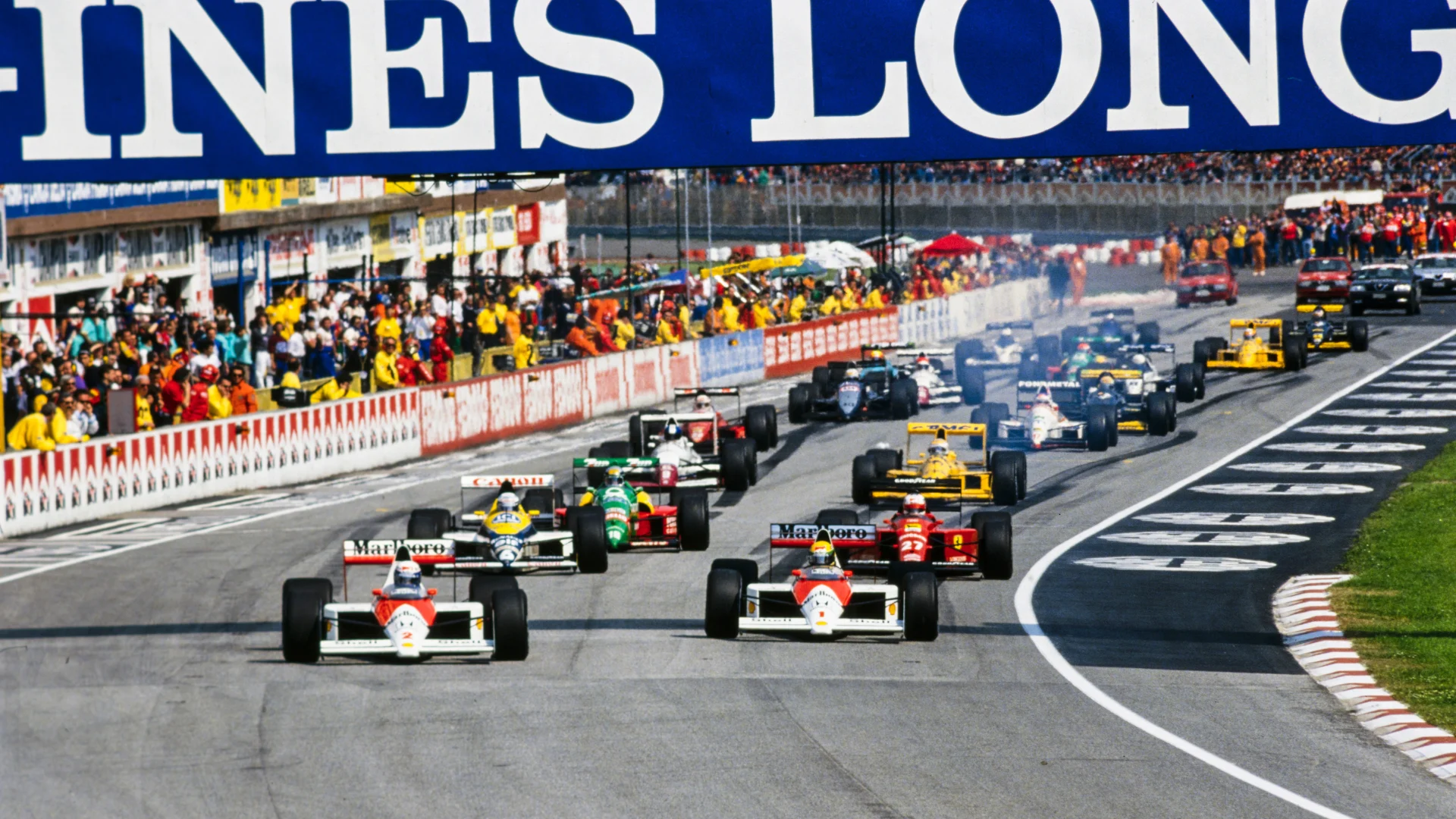
Not that it stopped McLaren and engine partners Honda, who followed up an almost perfect 1988 season (across which they won all bar one race) with another commanding display in 1989 – defending both their Teams’ and Drivers’ Championship titles.
1994 – Ban on driver aids
F1 was an electronic driver aids playground in the early 1990s, with Williams’ FW15C the ultimate example by seamlessly combining active suspension, traction control, anti-lock braking and much more to dominate the 1993 season.
All of the above devices were banned for the 1994 campaign, though, while in-race refuelling was permitted for the first time since 1983, forcing teams to go back to their drawing boards and try to find lap time elsewhere.
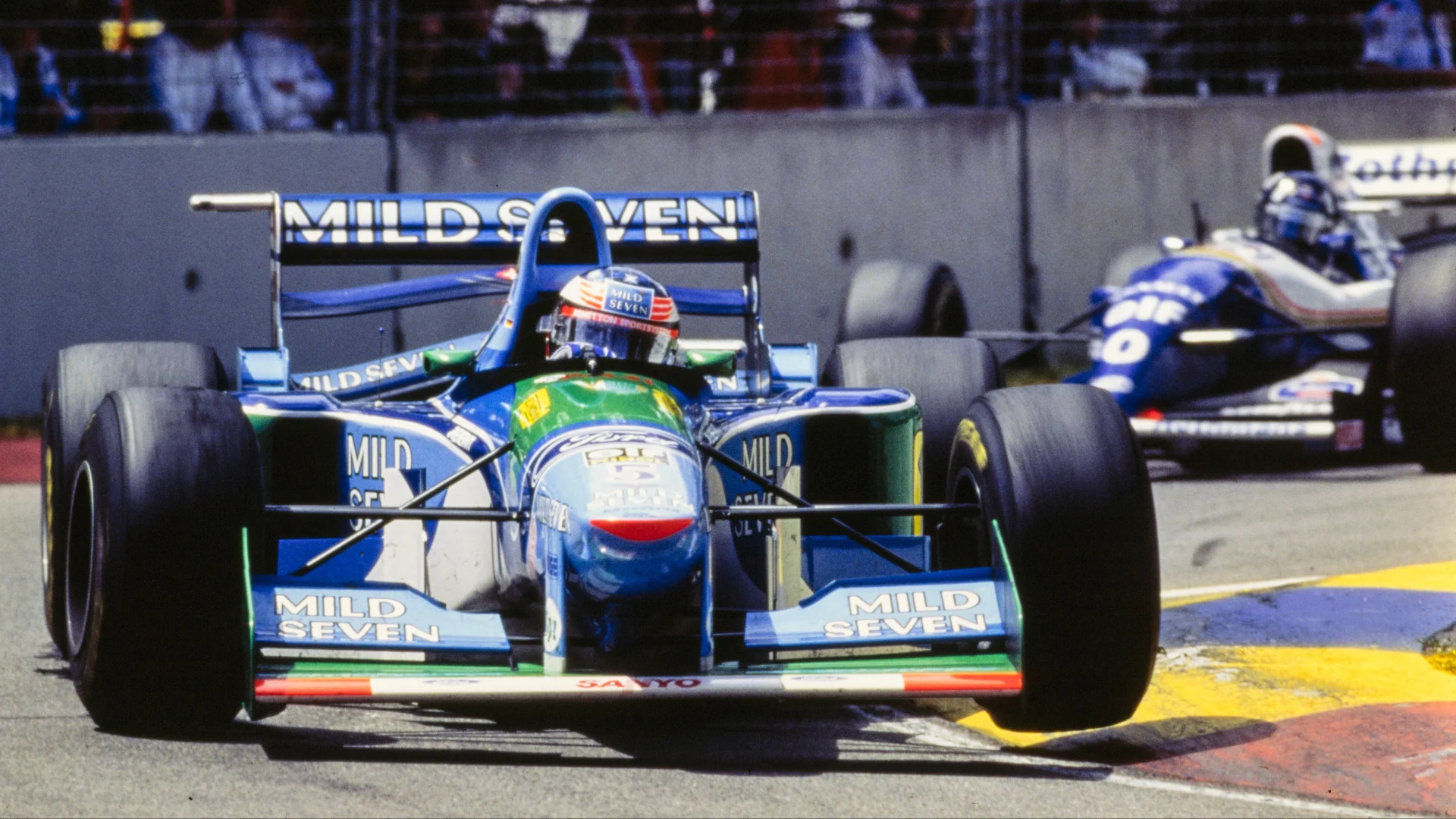
Benetton and Michael Schumacher emerged as title challengers under the new rules, while triple World Champion and new Williams signing Ayrton Senna failed to finish the first three races before his fatal accident at the San Marino Grand Prix.
Another round of safety-based car changes were enforced in response to Senna’s death, after which Schumacher – driving a Benetton that rivals had accused of rule-bending, and overcoming disqualifications and race bans – beat Williams’ Damon Hill to the title via a controversial clash at the season finale.
1998 – Narrower cars, grooved tyres
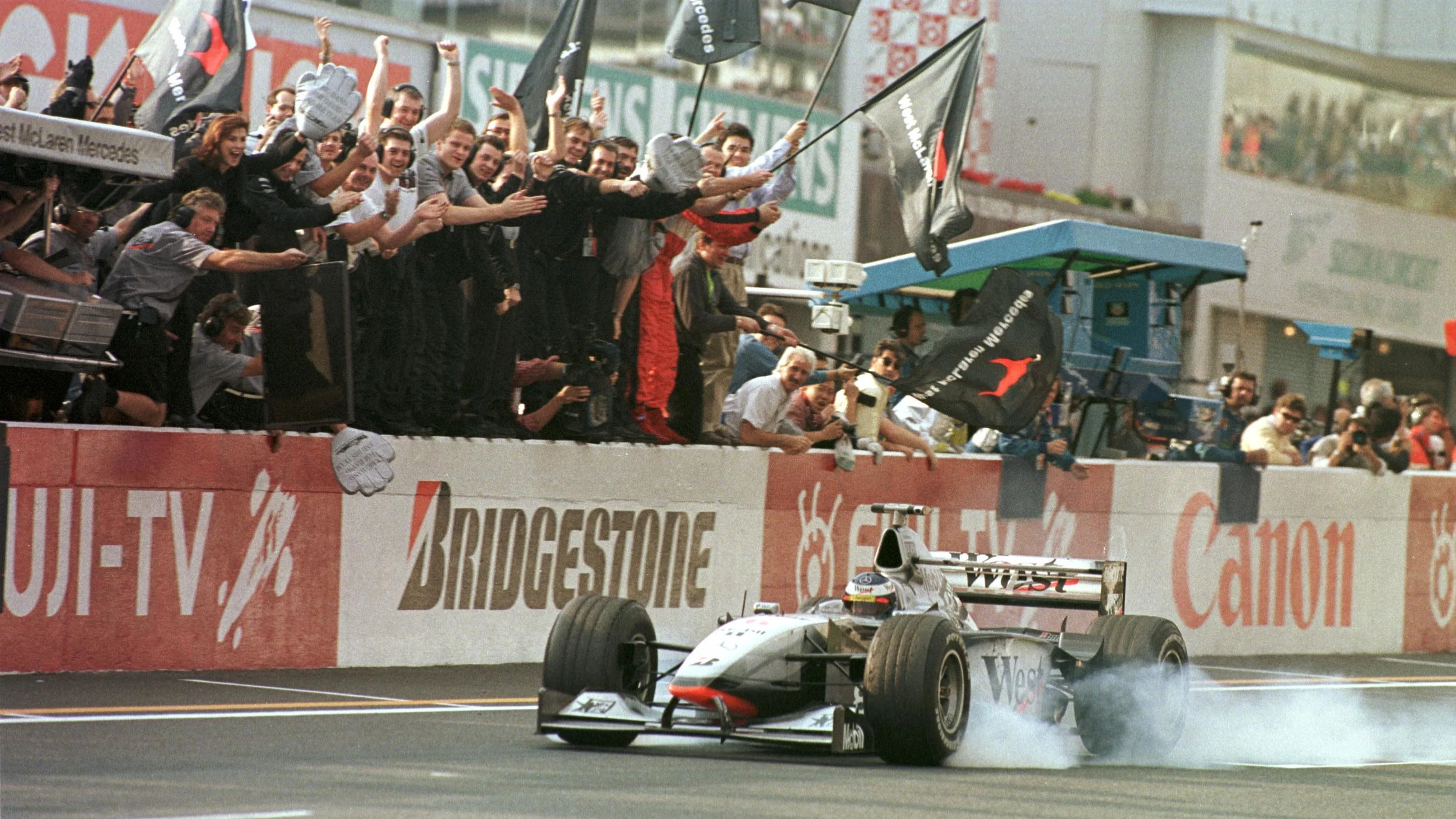
The 1998 season signalled the start of a ‘narrow track’ era in F1, with car widths reduced from two metres to 1.8m, while grooved tyres were also introduced (three on the front, four on the rear) to get spiralling speeds under control.
Williams became a leading force as the 1990s developed, winning the 1992, 1993, 1994, 1996 and 1997 Teams’ Championships, as well as several Drivers’ crowns, but they lost star designer Adrian Newey to McLaren the year before the 1998 reset came into play.
Newey’s design office came up with a brilliant solution to the changes – the Mercedes-powered MP4-13 securing 12 pole positions, nine victories, 20 podiums and, most importantly, McLaren’s first Drivers’ and Teams’ championships in seven years.
For some in the F1 paddock, there was a clear link to be made.
“All you can do is look at teams’ performances and try and find the common denominator, and you’d have to say that without him Williams aren’t doing so well, and with him McLaren are doing better than they were last year,” said Newey’s former Williams colleague, Hill, early in the campaign.
2009 – Aerodynamics overhaul
Just over a decade later, F1 was on the brink of another reset – one that would flip the formbook on its head and produce the underdog story of all underdog stories.
With an array of winglets making their way onto cars across the noughties, it was decided that almost all aerodynamic devices – apart from the obvious front and rear wings (albeit to significantly different dimensions) – would be banned for 2009.
Meanwhile, driver-adjustable front wings were permitted, slick tyres were re-introduced, and teams also had the option to run an all-new KERS (Kinetic Energy Recovery System) that turned energy generated under braking into a limited boost of horsepower.
Step forward Brawn GP, who emerged following Honda’s dramatic exit from F1, struck a deal to put a Mercedes engine in the back of their design – which had been developed with huge investment from the Japanese manufacturer – and initially blew away the competition.
Aided by a novel ‘double diffuser’ creation, Ross Brawn’s eponymous team sensationally secured both of that year’s world titles, racking up the wins early on – while the likes of McLaren and Ferrari struggled – and defending their position when rivals made gains.
2014 – Turbo-hybrid power units
One of the biggest engine overhauls in the sport’s history took place in 2014 when teams swapped their 2.4-litre naturally aspirated V8s for the ground-breaking 1.6-litre V6 turbo hybrid power units still used today.
Central to these new units were the MGU-K (Motor Generator Unit Kinetic) for the recovery of kinetic energy under braking, and the MGU-H (Motor Generator Unit Heat) for the recovery of heat energy from exhaust gases, along with a host of other changes.
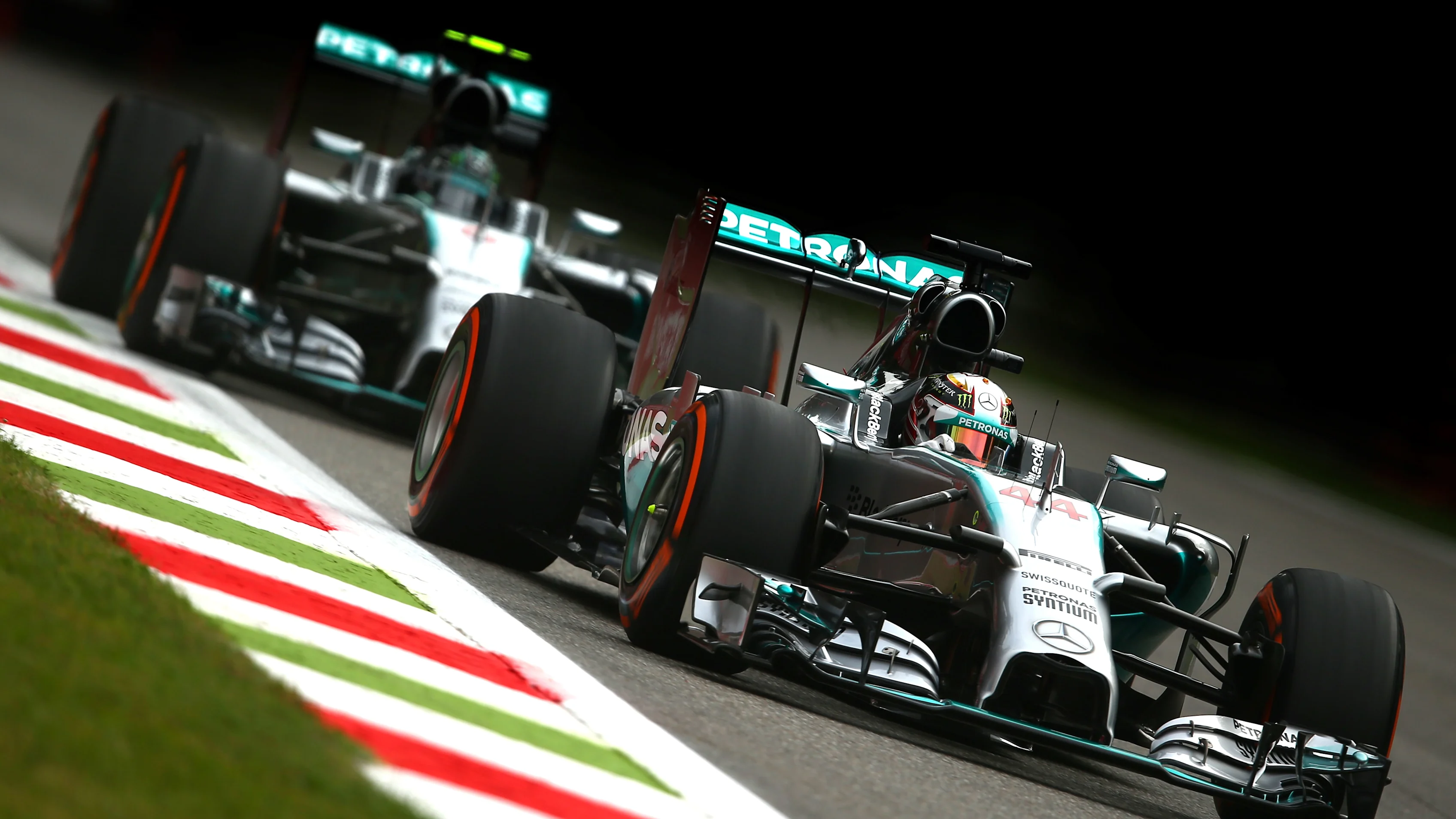
Mercedes, having made plenty of progress since returning to F1 as a factory outfit in 2010, and having ploughed resources into the 2014 project, enjoyed a flying start to the new era – winning 16 out of 19 races and both world titles, with Lewis Hamilton crowned the Drivers’ Champion.
It not only ended a spell of Red Bull dominance from 2010 to 2013, when every title went the way of the team and Sebastian Vettel, but marked the beginning of a Mercedes winning run that would go down as the longest in F1 history.
2017 – Longer, wider and faster cars
In 2017, the aforementioned 1998 reduction in car widths from two metres to 1.8m was effectively reversed, with chassis lengths, front and rear tyre widths, front wing widths and the minimum overall weight also increasing.
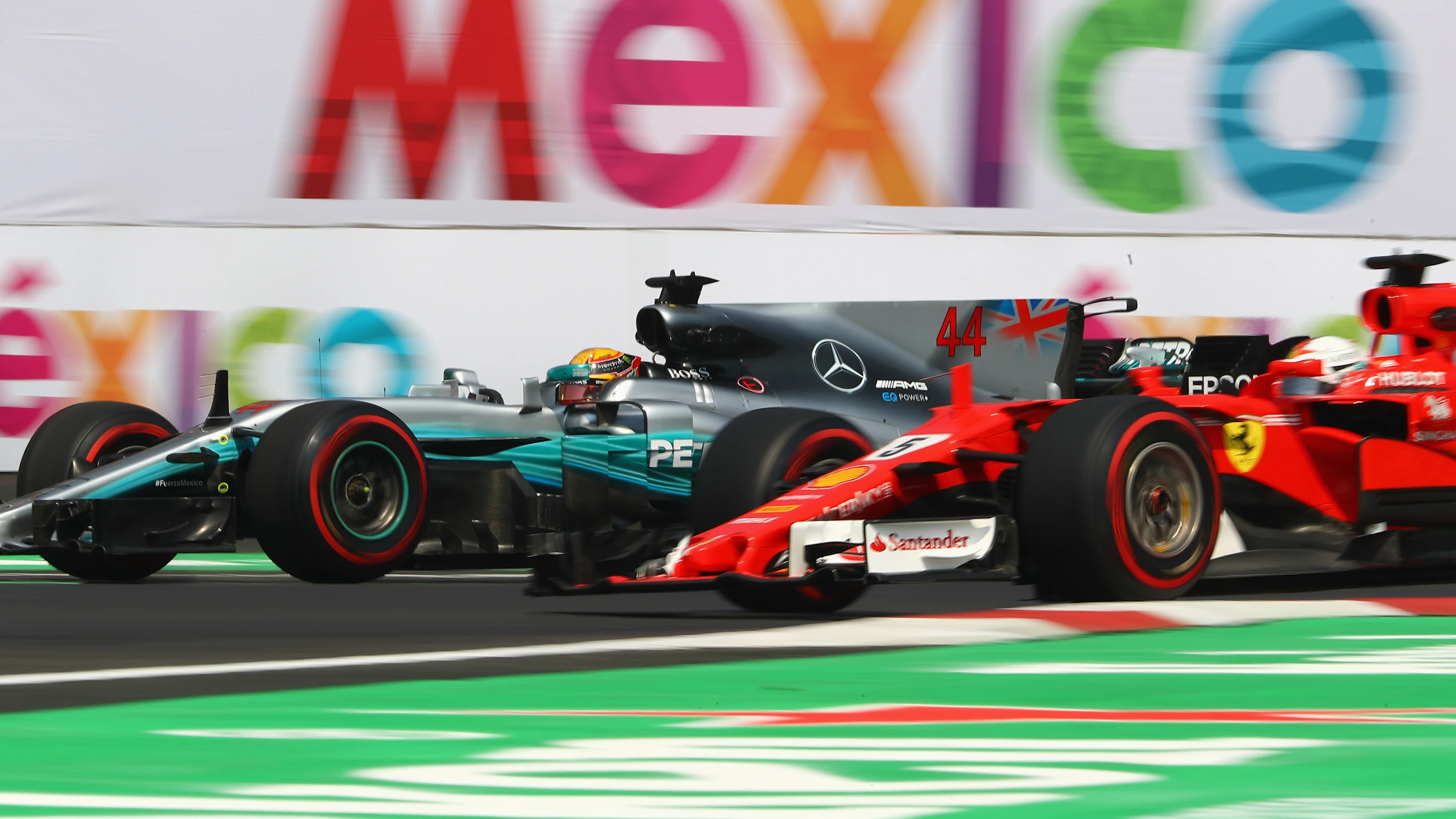
Producing more downforce and grip, the new breed of cars broke no fewer than 11 lap records (in Azerbaijan, Monaco, Austria, Great Britain, Belgium, Singapore, Malaysia, Russia, USA, Mexico and Brazil) over the course of the year.
Mercedes remained the team to beat despite how much had changed, with Hamilton winning another Drivers’ title and the Silver Arrows retaining their Teams’ crown, though Ferrari – and particularly Vettel – put up a much bigger fight.
2022 – Another ‘ground effect’ era
As touched on earlier, ground effect was banned in 1983, but F1 chiefs decided to bring it back for 2022 in a set of sweeping changes predominantly aimed at reducing ‘dirty air’ – making it easier for cars to follow each other and, in turn, for drivers to pull off overtakes.
The underbody therefore produced the majority of aerodynamic grip, front and rear wing specifications were changed significantly, bigger wheel rims were introduced alongside low-profile Pirelli tyres, bargeboards were scrapped and plenty more.
Prior to this change, Mercedes had dominated the turbo-hybrid years, winning all eight Teams’ Championships from 2014, and all bar one Drivers’ title in the same period – Red Bull’s Max Verstappen ending that run in 2021 by edging out Hamilton.
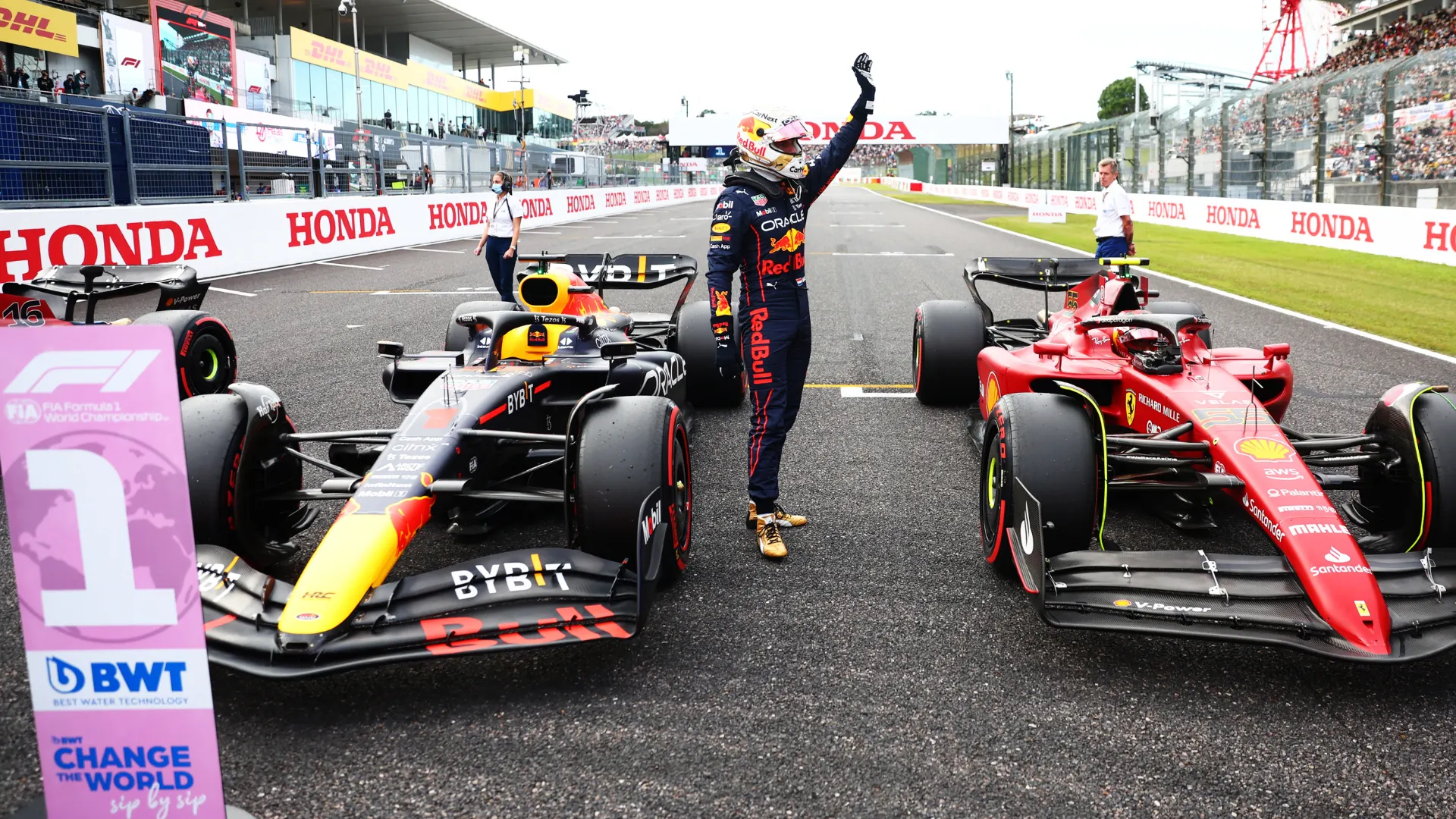
For 2022, however, Honda-powered Red Bull kicked on, with Newey – one of few current designers who’d experienced those original ground effect days – overseeing a dominant 2022 challenger, before going even better in 2023 when the team amazingly took 21 out of 22 race wins.
2026 – New cars, new power units
For the 2026 season, it’s all change once again. In a nutshell, cars will be shorter, narrower, lighter and nimbler, while ground effect tunnels are being replaced by much flatter floors, meaning less downforce and higher ride heights – in theory allowing for greater set-up variety.
A host of new driver tools are also available, including ‘Active Aero’ (the ability to adjust front and rear wing elements at different points of the track), ‘Overtake Mode’ (which essentially replaces the Drag Reduction System), a new maximum power ‘Boost’ button, and a ‘Recharge’ setting.
On the power unit side, while teams are still running 1.6-litre V6 turbo hybrids, power balance has shifted – the Internal Combustion Engine output being cut and the electric motor being tripled, creating roughly a 50-50 split between petrol and electric.
That leads to more road-relevant designs, with the complex and expensive MGU-H heat recovery system no longer a feature, while F1’s new engines will also run Advanced Sustainable Fuels, which were trialled in F2 and F3 in 2025.
Only time will tell who nails the latest F1 revolution…
Next Up
Related Articles
 Team Previews 2026All you need to know about Alpine
 Hamilton on ‘massive challenge’ of adapting to 2026 cars
 Check out every angle of Mercedes’ new livery for 2026
.webp) Quiz10 quiz questions on the latest F1 news
Quiz10 quiz questions on the latest F1 news Alpine unveil new car ahead of 2026 F1 season
 McLaren reaffirm ‘equal opportunities’ for Norris and Piastri in 2026