EXPLAINED: What do the new lights on F1 cars mean?
F1.com delves into the purpose of the new rear and side lights on the 2026 cars.
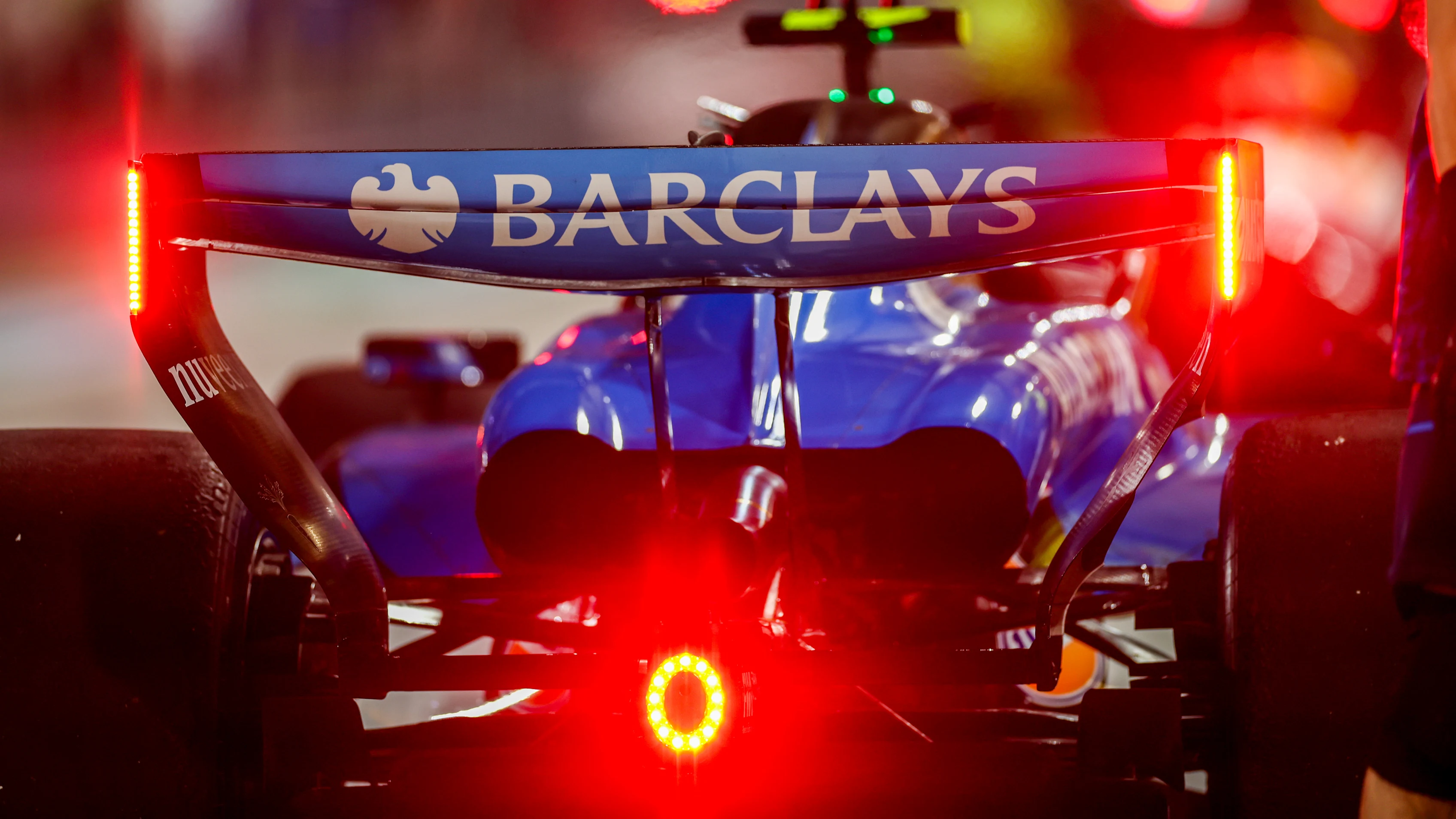
Everyone’s been talking about the raft of technical innovations and changes for 2026, but one of the easiest for fans to spot is the new rear and side lights on each car. You’ll see them flashing at every circuit, but what exactly does each colour and sequence mean, and why have they been redesigned?
The Rear Impact Structure light
This is an oval-shaped light located in the centre of the rear of the car, and for the majority of the time will appear red. A key function of the RIS will be to indicate energy levels in the power unit – if teams decide to lower the maximum power in an attempt to save the battery, the flashing sequence will show the new level.
A single flash means that the MGU-K (Motor Generator Unit - Kinetic) is delivering less electric power than the set maximum of 350kW. Two flashes denote that it has stopped delivering power completely, and multiple quick flashes show that the MGU-K is recharging while the Internal Combustion Engine (ICE) is still running as usual.
This will give any drivers following an idea of their competitor’s energy levels, but the light can be used in a much wider range of scenarios too, primarily for safety reasons. Among other functions, it can signal a Safety Car period or a double yellow sector, show that the engine has stopped on track, or indicate that the car has been fitted with intermediate or wet tyres.
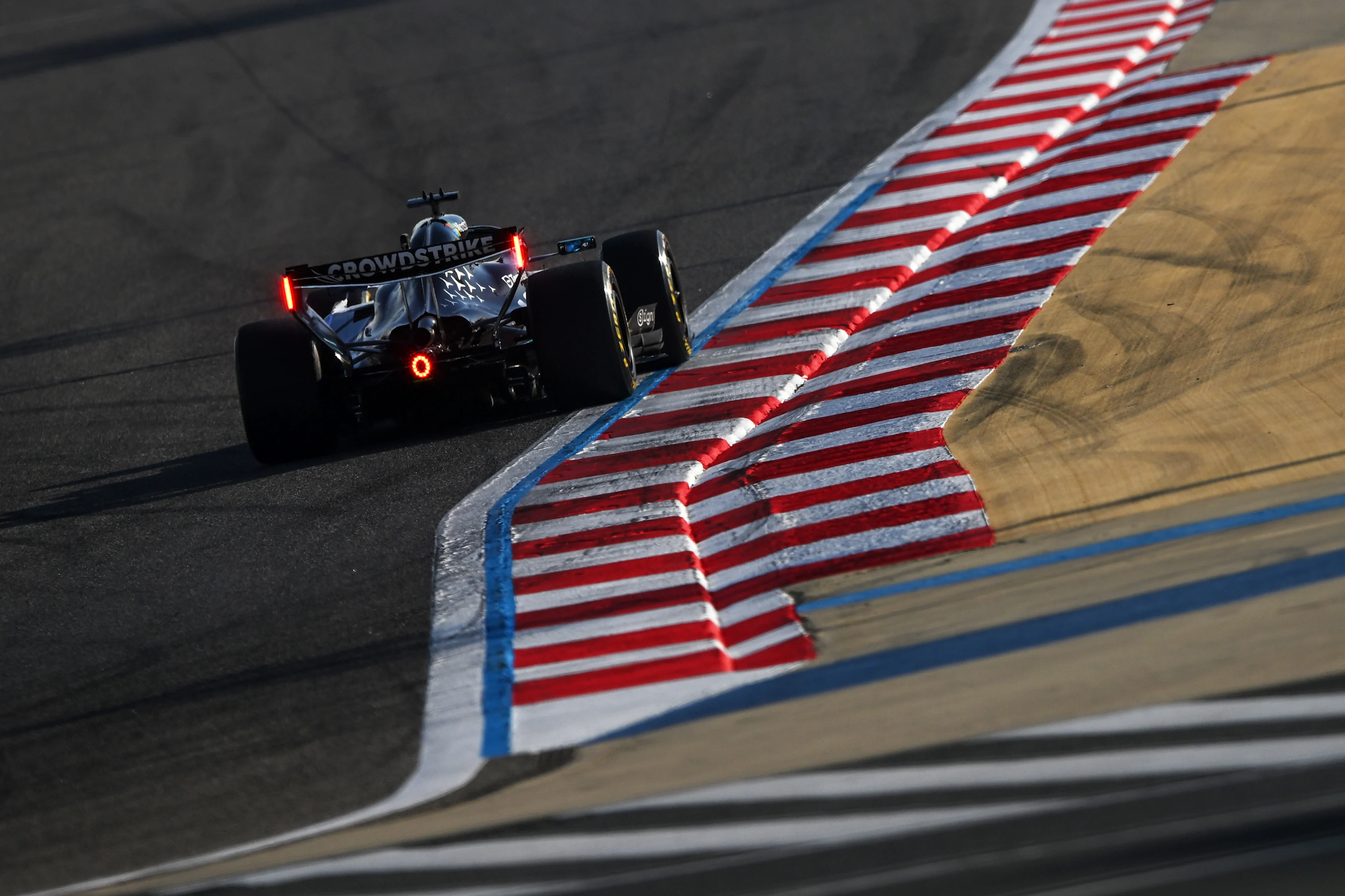
The new design, which saves around 180g in weight, also includes a rear-facing onboard camera and can change colour. Currently, it will turn blue if the driver does not have a full super licence – this will be particularly useful when the rookie running gets underway, as each team must field a rookie on four occasions in each season during FP1. There's also potential for more colours to be introduced in the future.
Nikolas Tombazis, FIA Single Seater Director, expanded on the light’s new role, saying: “First of all we’ve got a new specification, which means we can change the colour. That way we can give different messages to who’s following. That will evolve and improve over time – it’s in order to not just have a single red one.
“[At the moment] they are intended to give warnings to drivers behind if there’s a recharge going on, whether there’s a sudden deceleration, and clearly there’s also the main function, the original function, which is in the rain.
"We feel that with the new specification, which can do different colours, we can provide more information to who’s behind.”
To make the signal even clearer, the rear wing end plate lights will mirror the flashing pattern of the RIS, and will always appear red.
Lateral safety lights
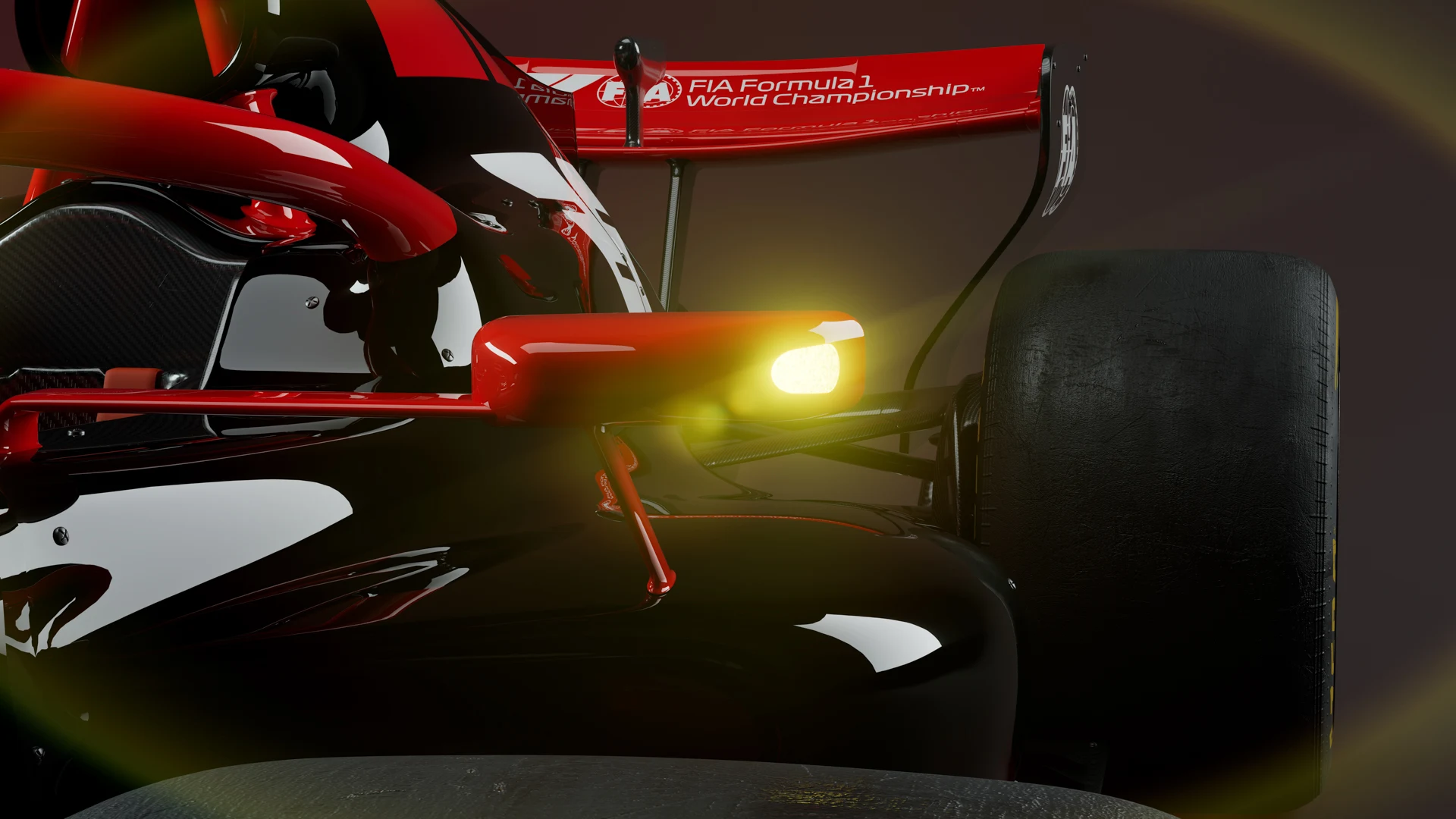
The new lateral safety lights, which have been added to the mirrors, will be visible from both the side and the front – they will “only come on if there’s a spin or an accident”. With F1 constantly evolving its safety procedures, these provide an extra sign that a car has stopped, and their placement means that drivers should be able see them from all angles and, crucially, in all weather conditions.
They will be an amber colour and come on either when a car has halted completely, or when the speed has dropped below 20kph. Additionally, you might see them when a car is stuck in neutral at a race start, but they’ll go off as soon as the driver moves into gear.
“They were an idea by the drivers in one of the driver meetings,” Tombazis added. “Basically, they were saying that if a car has spun around in the wet conditions and is sat laterally, you cannot see the rear light, because you’re on the side.
“You may be an approaching car, and because it’s a bit misty, you may not see it. Therefore, it was proposed that there would be some lateral lights, so this is why we added those lights.”
You can see the new lights in action in the video below, which will soon be a common sight as the new F1 season gets underway in Australia.
Next Up
Related Articles
 Hamilton vows ‘I’m not going anywhere’ ahead of 2026
 BettingF1 betting talking points ahead of 2026 season
 See Tsunoda back in a Red Bull at special San Francisco demo
/16x9%20single%20image%20-%202026-02-21T102613.146.webp) 5 key questions after the second Bahrain test
5 key questions after the second Bahrain test TAG Heuer sign Bruce for the 2026 F1 ACADEMY season
/16x9%20single%20image%20-%202026-02-20T192341.430.webp) In NumbersWho was fastest at the second Bahrain test?
In NumbersWho was fastest at the second Bahrain test?