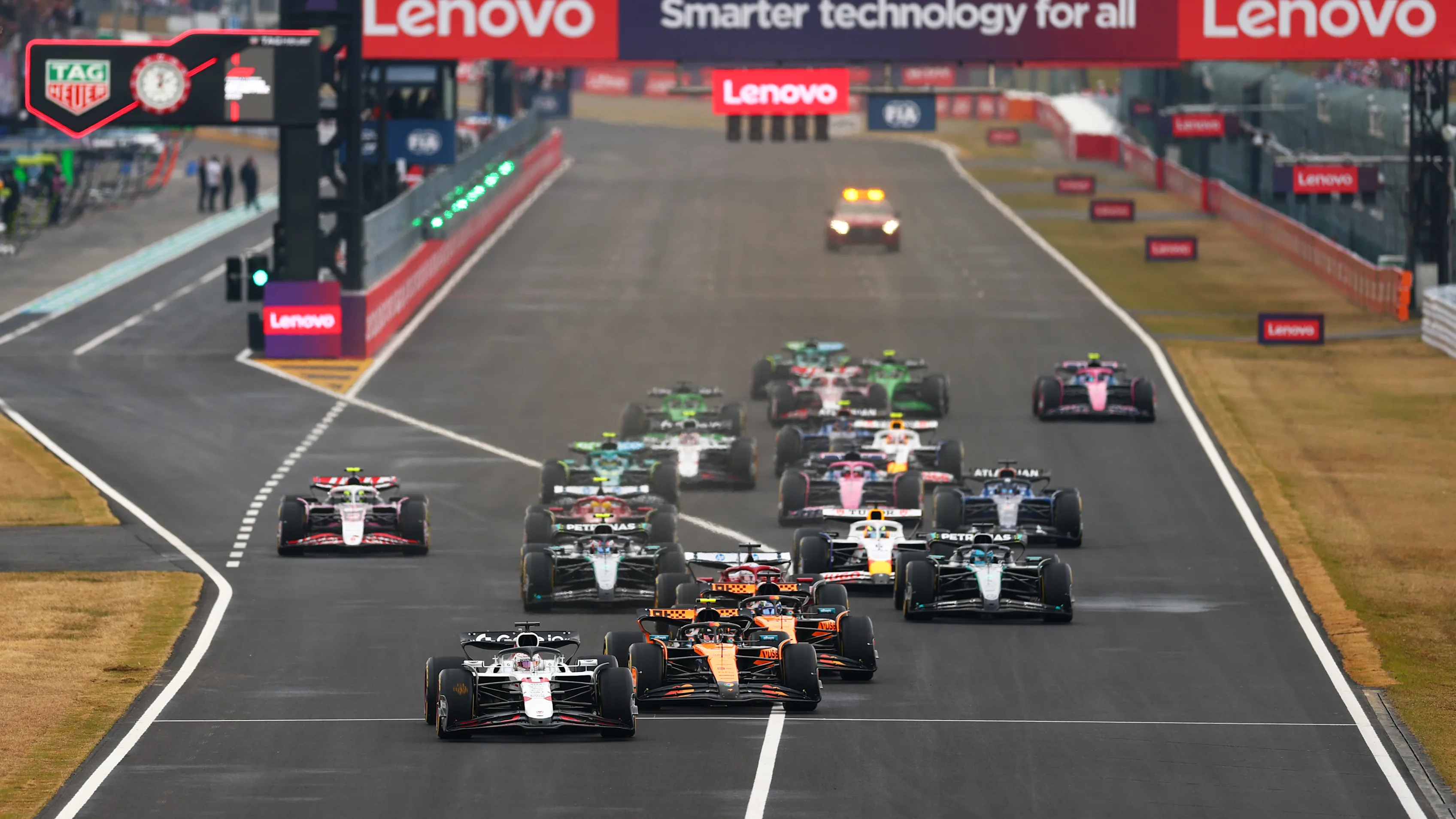
The excitement ramps up again this weekend as Formula 1 returns with the much-loved Japanese Grand Prix. But how much do you know about the Suzuka Circuit? F1.com presents your all-in-one guide…
Key Suzuka Circuit statistics
- Circuit length: 5.807km
- Number of turns: 18
- Number of laps: 53
- Race distance: 307.471km
- Lap record: 1m 30.965s – Kimi Antonelli (2025)
When was Japan’s first Grand Prix?
The first Japanese Grand Prix was held at the Fuji Speedway in 1976 and became known for the title decider between James Hunt and Niki Lauda. Having recovered from his terrifying crash at the Nurburgring just a couple of months earlier, the Austrian driver chose to withdraw from the rain-soaked race, citing safety concerns.
Hunt went on to win the Drivers’ Championship that year as well as the race in Japan the following season, but it was not included on the calendar again until 1987, when it switched to being held at the revamped Suzuka Circuit.
The combination of its unique, demanding layout and wealth of iconic races – including historic battles between Alain Prost and Ayrton Senna, and a number of title deciders – has ensured that Suzuka is frequently listed among the drivers' favourite tracks.

What’s the circuit like to drive?
Suzuka Circuit has practically everything an F1 driver could wish for – a high-speed sector, twisty corners that require precision and technical expertise, and the famously challenging 130R left-hander.
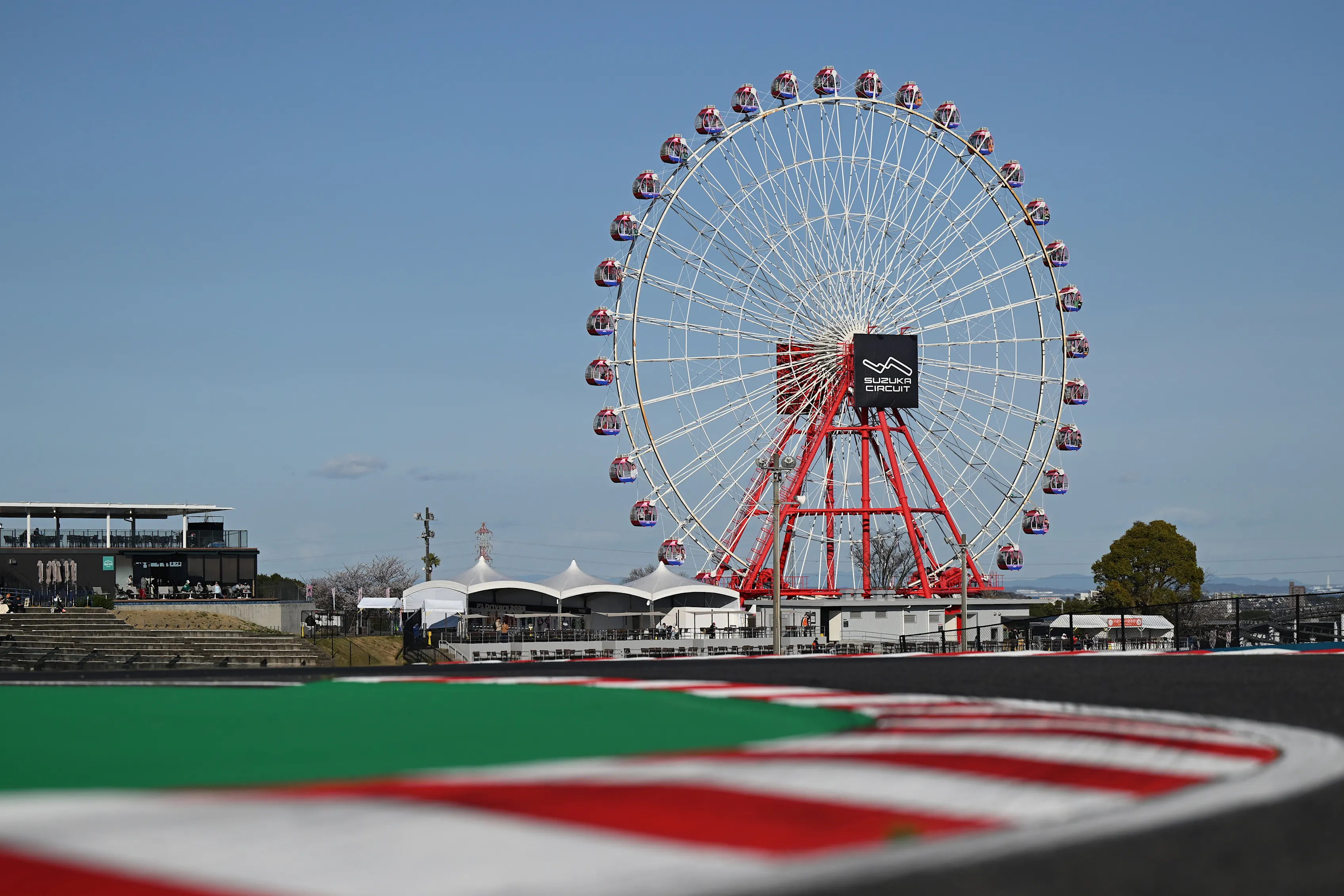
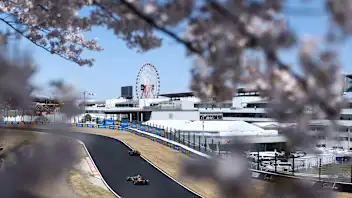
The Ferris wheel that sits within the track is emblematic of its rollercoaster nature, with a distinctive figure-of-eight design creating a thrilling drive that has stood the test of time. After you get through the tightening Turns 1 and 2, the flowing corners that follow are taken incredibly fast and can make or break your lap time.
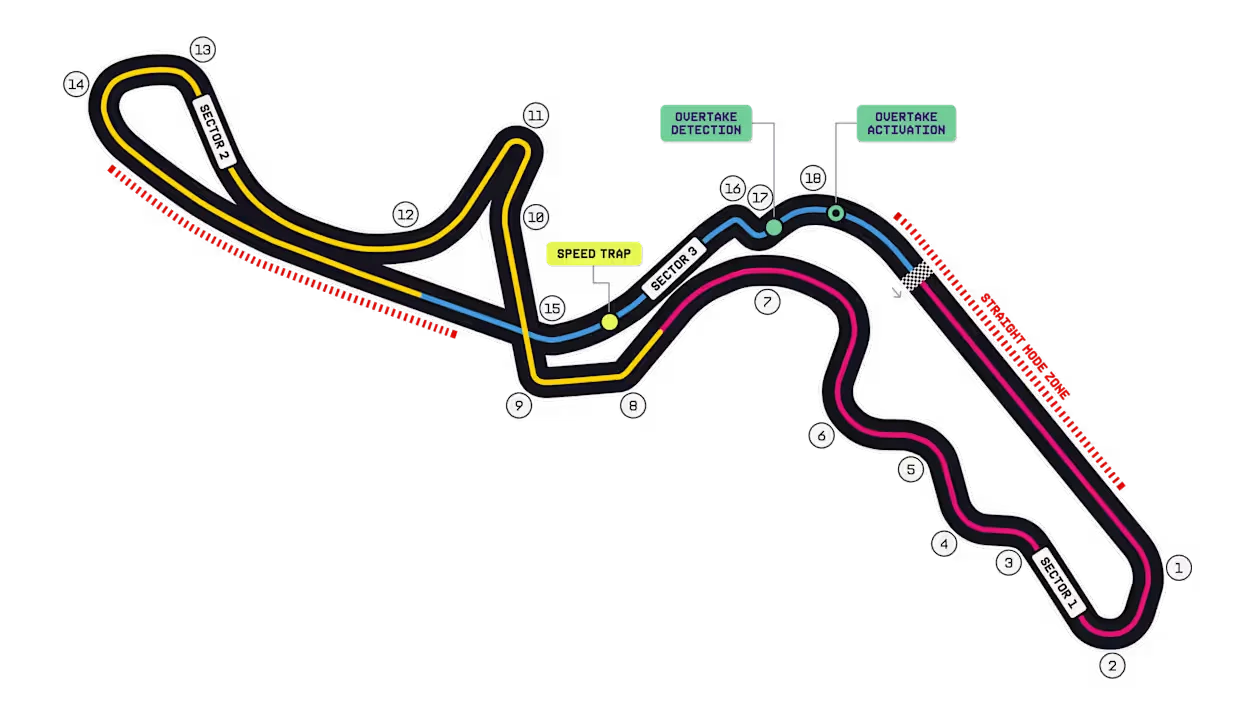
More complex turns, a hairpin and Spoon curve are up next before you reach 130R, which tends to be taken flat out and has prompted some of the sport’s more audacious overtakes. Drivers then speed along to the chicane and wind their way back to the start, rounding out a notoriously difficult but fun lap.
Of course, no one is better poised to describe the track than a former F1 driver.
“Suzuka is another drivers’ favourite and another one that’s a lot about flow,” raved Jolyon Palmer. “Across the first sector in particular there’s no real reference points after you ping it into Turn 1. It’s all based on feel from Turns 2 to 7, just gauging the grip and balancing the car right on the edge through all the ‘S’ bends which culminate at Turn 7.
“After that it’s the Degners, which are mistake inducing. If you carry too much speed into Degner 1 you will struggle to stop for Degner 2. The hairpin that follows is not so bad; you’re braking a bit for the right hander, so you’ve got to be careful on peak brake pressure.
“The second part of Spoon I found tricky, as you’re desperate to get on the throttle, and if you go too early it can draw you out onto the kerbing or beyond, and you have to back out and lose time.
“130R is easy peasy, and then the chicane is a bit like Spa, maybe a little less dramatic, but you have to round out the lap with a tight sequence, lump a bit of kerb, and it’s all about the braking.”
Where are the Straight Mode zones and overtake detection?
As a reminder, Straight Mode is a different aerodynamic configuration that allows cars to reduce their drag, making them more efficient when accelerating up towards top speed. In a similar vein to the previous Drag Reduction System (DRS), the rear wing opens up a gap, but now the front wing moves too.
It will be automatically used on every lap in dry conditions in the designated zones – the car will essentially adapt between two different configurations depending on where it is on the track, providing maximum downforce in corners but then less drag on straights.
At Suzuka, there are just two Straight Mode zones – one along the start/finish straight, and another down the back straight between Turns 14 and 15.
Meanwhile, Overtake Mode is the direct replacement for DRS, acting as a performance aid that allows a driver to recharge an extra +0.5MJ and generate an additional electrical power profile.
This can only be deployed when a driver is within a second of the car ahead at the detection point, which in Japan is at the penultimate corner, Turn 17. The start/finish straight that follows will be perfect for drivers to maximise the speed advantage they gain, allowing them to fight for another position.
Five fun facts about the Japanese Grand Prix
- The Suzuka Circuit is the only track on the calendar designed as a figure-of-eight, with the circuit crossing over itself at the halfway point
- Suzuka started out as a test track for Japanese manufacturer Honda
- 8 of the last 12 Grands Prix held at Suzuka have been won from pole position
- Max Verstappen will have the opportunity to extend his streak of winning the Japanese Grand Prix to five years
- Michael Schumacher holds the record for most pole positions (eight), podiums (nine) and victories (six) at Suzuka
Next Up
Related Articles
 What is the weather forecast for the Japanese Grand Prix?
 How to stream the 2026 Japanese Grand Prix on F1 TV Premium
 5 iconic Japanese Grand Prix battles
 ExclusiveTsunoda on his F1 past, present and future
 Antonelli focused on ‘ultimate goal’ after maiden win
 Why Japanese car culture makes racing at Suzuka so special